



News
World Hand Hygiene Day Special: Learning Health & Hygiene Habits In Ayushmann Khurrana Ki Paathshala
Dettol Banega Swasth India transformed World Hand Hygiene Day into a ‘lively playdate’ at Ayushmann Ki Paathshala. From “glitter germ” UV demos to reinventing Snakes & Ladders, campaign ambassador Ayushmann Khurrana showed that hygiene isn’t a chore—it’s a life-saving habit
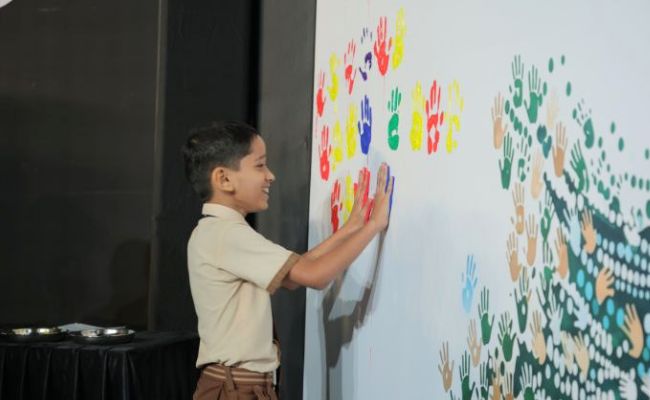
New Delhi: Dettol Banega Swasth India celebrated World Hand Hygiene Day on May 5, with students at Ayushmann Ki Paathshala—a lively playdate where kids soaked up health and hygiene through games and interactive sessions with campaign ambassador Ayushmann Khurrana. It all sparked with hard-hitting stats that grabbed attention of all the children:
- The World Health Organization reveals proper hand hygiene stops 50–70% of healthcare-associated infections (WHO Guidelines on Hand Hygiene in Health Care; WHO IPC Reports).
- UNICEF adds that handwashing with soap slashes diarrhoeal diseases by up to 40% (UNICEF WASH Data).
- In DBSI partner schools, their hygiene curriculum cut absenteeism by 39%.
Watch: Every Clean Hand Counts: Campaign Ambassador Ayushmann Khurrana’s Message
These numbers weren’t dry—they fueled Ayushmann’s lively quiz. “20 seconds to kill germs?” “Yes!” “8+ washes a day?” Kids jumped, shouted, and high-fived, owning every fact with pure glee.
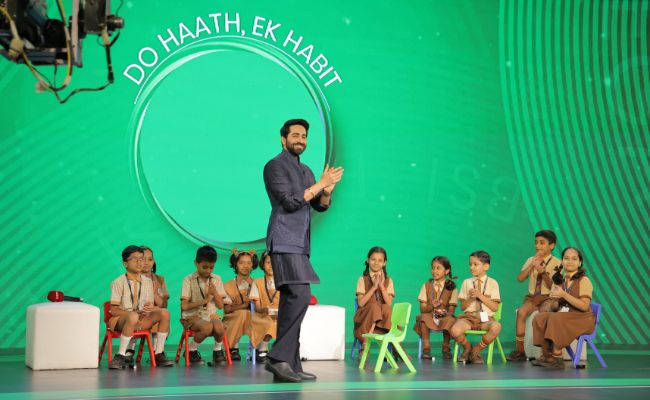
That buzz carried straight into the hands-on demo on hand hygiene by Dr. Tejas Devendra Gohel, Chief Microbiologist and Infection control Advisor, Lilavati hospital and research centre. He explained how small germs can lead to big health problems if we don’t wash our hands. To show this, he gave the kids “glitter germs” to rub on their hands. After a quick rinse, he turned on a UV light, and the kids were shocked to see the ‘germs’ still glowing! Squeals of ‘Gross!’ filled the room as they all rushed to scrub their hands properly this time. As they finally stood there germ-free, Dr. Gohel noted,
Children who learn hygiene early build healthier futures.
Joining the playdate, Ravi Bhatnagar, Communications and Corporate Affairs Director, South Asia, MENARP and Africa, Reckitt, painted Dettol Banega Swasth India’s over a decade-long journey: reaching 30 million schools and now 35 million kids through accessible curricula and creative teaching.
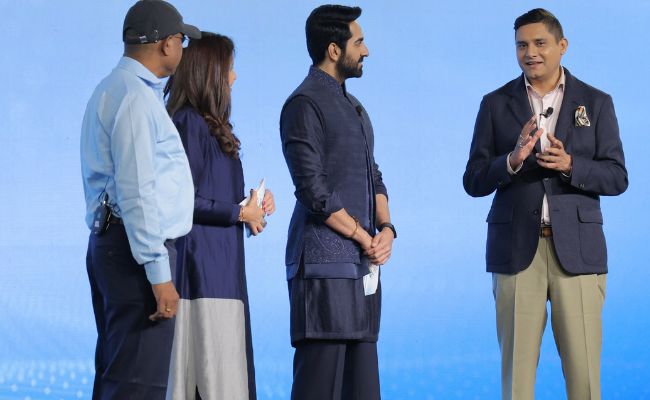
We’re moving beyond awareness to real, on-the-ground action. There have been various initiatives that Dettol Banega Swasth India has taken – from accessibility curriculum, to introducing new ways to teach kids about health and hygiene – the ambition to make sure no one is left behind. DBSI is focusing not just on raising awareness but also ensuring it is acted upon, on ground,” he shared, while unveiling the DOTS framework linking it all: Darr se Dignity tak for menstrual hygiene, Do Haath Ek Habit for hand hygiene, Guardians of Dignity for sanitation, and Inclusion Is Hygiene for total health. Kids leaned in, seeing how handwashing connects to bigger wellness wins.
Watch: Gramalaya’s Sai Damodaran Dives Into Play At The H-BaLa Event
The Paathshala did not end here. Mrunal Shah, Founder, Sunday Bricks, Play Advocate and Bricks & Blocks Trainer, interacted with kids, showing play based learning through bricks and blocks.
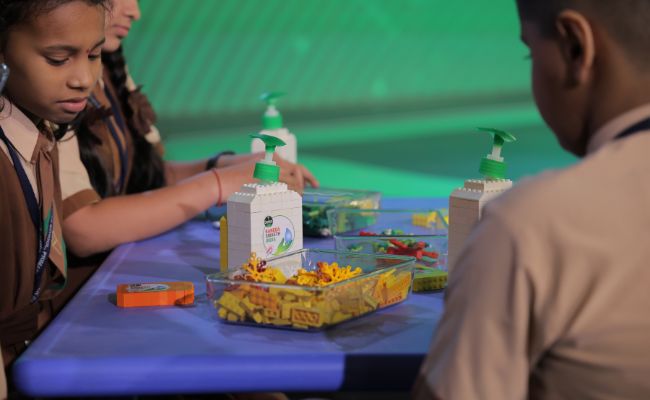
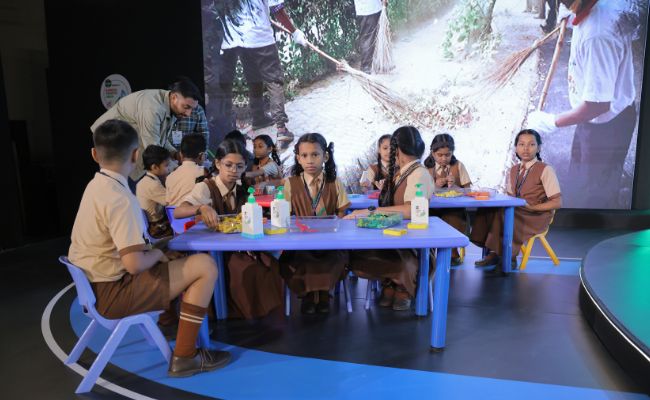
The day at Ayushmann Ki Paathshala was more than just a celebration; it showed exactly what Dettol Banega Swasth India (DBSI) is all about. Instead of making hygiene feel like a boring chore, they are turning it into a fun way of life. By using games and play to celebrate World Hand Hygiene Day, DBSI proved that kids learn best when they are actually involved and having fun.
By turning these lessons into real-world actions, DBSI is helping children lead the way to a healthier India. Every handwash is a step toward a future where no child is left behind and good health is a part of everyone’s daily life. This World Hand Hygiene Day, Dettol Banega Swasth India celebrated 43 billion hand washes triggered with its School Hygiene Education Programme.
Watch: Turning Hygiene Into Child’s Play At The H-BaLa Event