
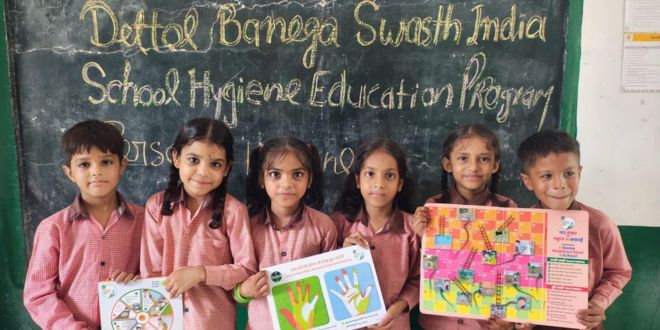
New Delhi: As the world gears up to mark World Health Day on April 7, conversations around preventive healthcare and everyday hygiene are once again taking centre stage. At a time when building healthy habits early is more important than ever, Dettol Banega Swasth India programme (BSI) stands out as a strong example of how small, everyday actions can drive long-term public health impact. Launched over a decade ago to improve hygiene awareness among children, DBSI has grown into one of the country’s largest school-led hygiene movements.
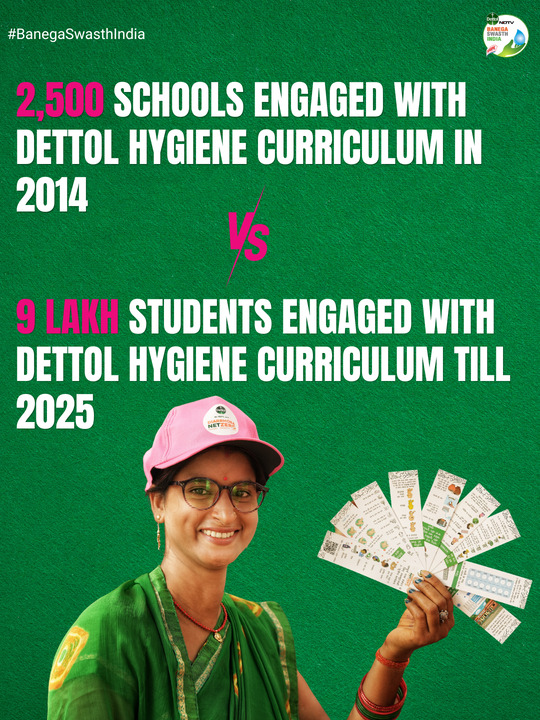
Watch: Change Starts at HOME: Be the Change This World Health Day
Moving From Awareness To Action
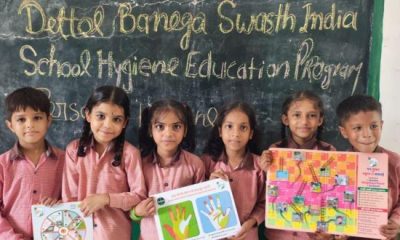
Today, the programme has moved beyond just spreading awareness. Its focus is on making hygiene second nature. By working closely with schools, teachers and communities, it ensures that children not only learn about hygiene but also actively practice it as part of their everyday lives.
As Gaurav Jain, Executive Vice President, South Asia, Reckitt, says,
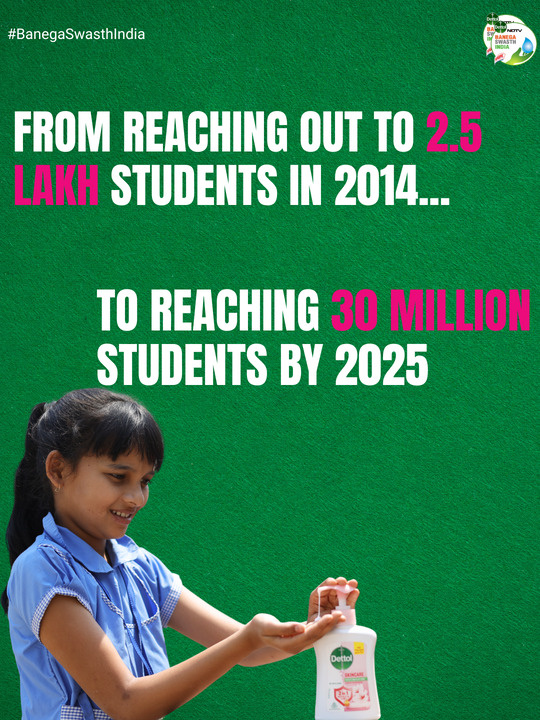
We have moved beyond the initial phase of simply raising awareness. Today, hygiene is becoming an instinct, a culture, and a way of life for millions of children across India. We are not just tracking how many children know how to wash their hands; we are seeing a generation that understands why it matters for their long-term health, dignity, and success.
This approach has helped the programme scale significantly. It now reaches over 30 million children across 9,00,000 schools in India.
Strong Impact on Health and Learning
The programme’s outcomes show how hygiene links directly to health and education:
- School absenteeism has reduced by over 41% in the last decade
- 99% of students now understand when and why to wash their hands
- 95% can demonstrate correct handwashing steps
- 85% follow regular handwashing practices
Ravi Bhatnagar, Communications and Corporate Affairs Director, South Asia, MENARP and Africa, Reckitt, said,
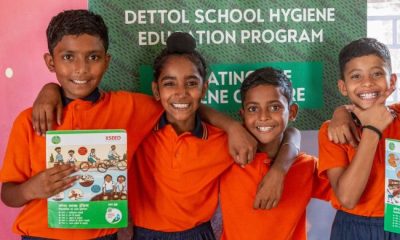
DBSI is nurturing young Hygiene Ambassadors who carry these lessons from schools to homes and communities. We’ll ensure embedding hygiene into the very fabric of Indian civilization to protect the health and well-being of generations to come.
Healthier children are able to attend school more regularly. This directly improves their learning experience and overall well-being.
Also Read: Harpic Safe Sanitation Programme: Transforming School Hygiene Across India
Building Systems That Last
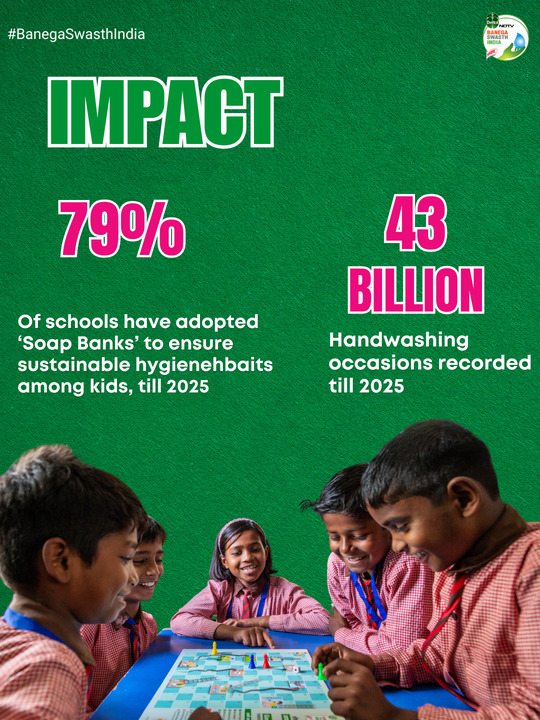
Dettol Banega Swasth India focuses on creating systems that support long-term behaviour change. One such initiative is the introduction of soap banks, now available in nearly 79% of participating schools. These are managed by students and teachers, making hygiene a shared responsibility.
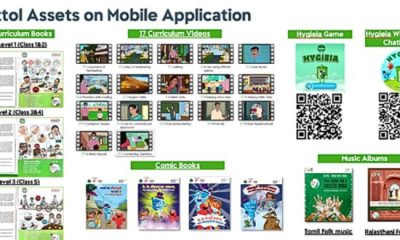
The programme also uses digital tools to make learning more engaging. Animated content, games and AI-based platforms are helping children understand hygiene in a simple and relatable way. A large number of students are actively interacting with these tools.
A Long-Term Approach To Public Health
Dettol Banega Swasth India brings together awareness, infrastructure, and behaviour change. It connects what children learn with what they practice every day. As the focus around World Health Day turns towards prevention, the programme highlights an important idea – small daily habits can lead to a large, lasting impact.
NDTV – Dettol have been working towards a clean and healthy India since 2014 via the Banega Swachh India initiative, which in its Season 10 is helmed by Campaign Ambassador Ayushmann Khurrana. The campaign aims to highlight the inter-dependency of humans and the environment, and of humans on one another with the focus on One Health, One Planet, One Future – Leaving No One Behind. It stresses on the need to take care of, and consider, everyone’s health in India – especially vulnerable communities – the LGBTQ population, indigenous people, India’s different tribes, ethnic and linguistic minorities, people with disabilities, migrants, geographically remote populations, gender and sexual minorities. In a world post COVID-19 pandemic, the need for WASH (Water, Sanitation and Hygiene) is reaffirmed as handwashing is one of the ways to prevent Coronavirus infection and other diseases. The campaign will continue to raise awareness on the same along with focussing on the importance of nutrition and healthcare for women and children, fight malnutrition, mental well-being, self-care, science and health, adolescent health & gender awareness. Along with the health of people, the campaign has realised the need to also take care of the health of the eco-system. Our environment is fragile due to human activity, which is not only over-exploiting available resources, but also generating immense pollution as a result of using and extracting those resources. The imbalance has also led to immense biodiversity loss that has caused one of the biggest threats to human survival – climate change. It has now been described as a “code red for humanity.” The campaign will continue to cover issues like air pollution, waste management, plastic ban, manual scavenging and sanitation workers and menstrual hygiene. Banega Swasth India will also be taking forward the dream of Swasth Bharat, the campaign feels that only a Swachh or clean India where toilets are used and open defecation free (ODF) status achieved as part of the Swachh Bharat Abhiyan launched by Prime Minister Narendra Modi in 2014, can eradicate diseases like diahorrea and the country can become a Swasth or healthy India