

- Home/
- #Mere10Guz: #Mere10Guz Banega Swachh India Cleanathon
#Mere10Guz: #Mere10Guz Banega Swachh India Cleanathon
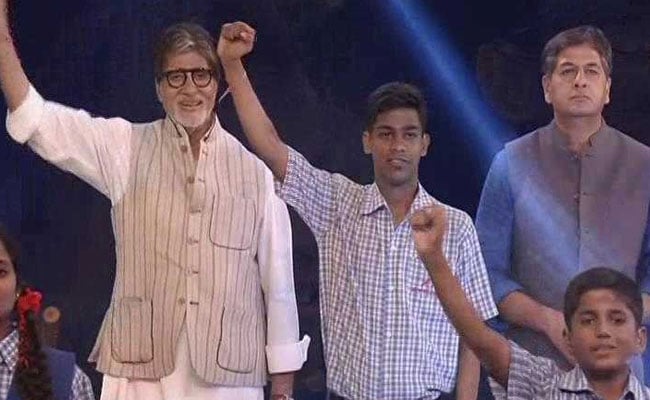
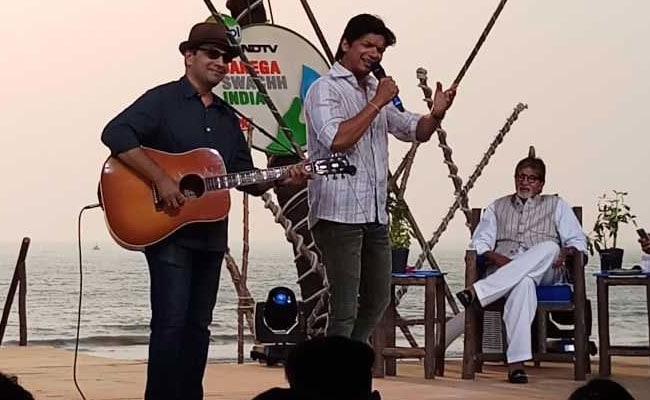
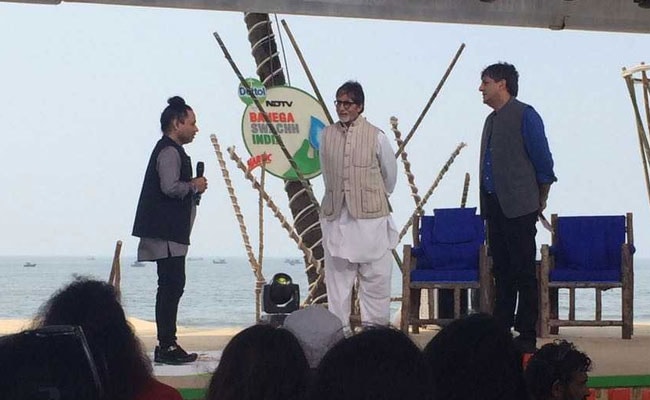
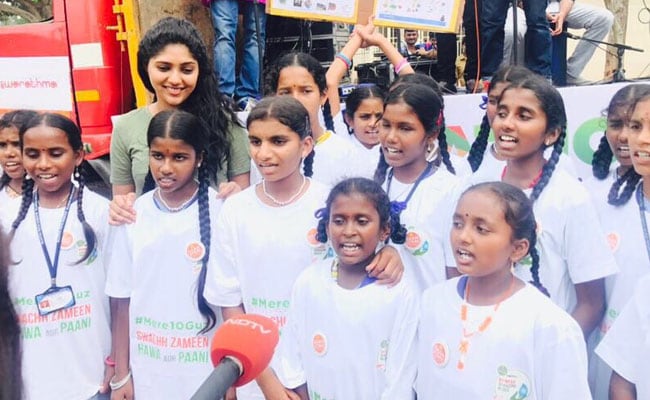
The 12-hour long NDTV-Dettol Banega Swachh India cleanathon ended with the national anthem being performed by a group of differently abled kids, as brand ambassador Amitabh Bachchan took centre stage to end the event with a salute.

Wrapping up the 12-hour Banega Swachh India cleanathon, brand ambassador Amitabh Bachchan says that despite differences, there was unity in what people said about cleanliness. We must introspect why the voices are not reaching the millions of people out there. We should work every day towards cleanliness and how much of the efforts are getting implemented, should also be looked into. We need millions of people who should think together. We must get together and think alike and inevitably become a better and cleaner nation. Mr Bachchan also thanked the volunteers participating in the cleanliness activities across the country during the cleanathon.
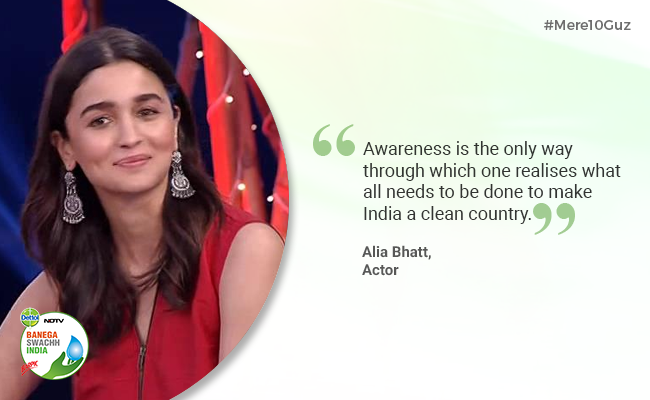
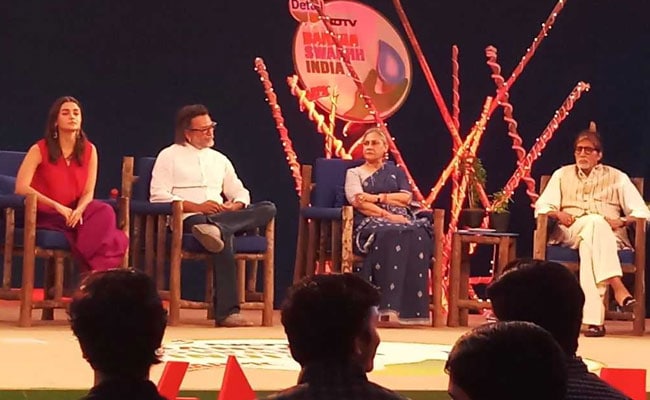
Alia Bhatt says that awareness is the only to realise that something more needs to be done for change to take place. There are innumerable reasons why there is need to contribute to the Swachh Bharat Abhiyan. Even taking on an area on a monthly or quarterly basis can make a difference. Amitabh Bachchan says that youngsters who look up to people like Alia Bhatt can do a lot to ensure that change in cleanliness scenarios actually take place.

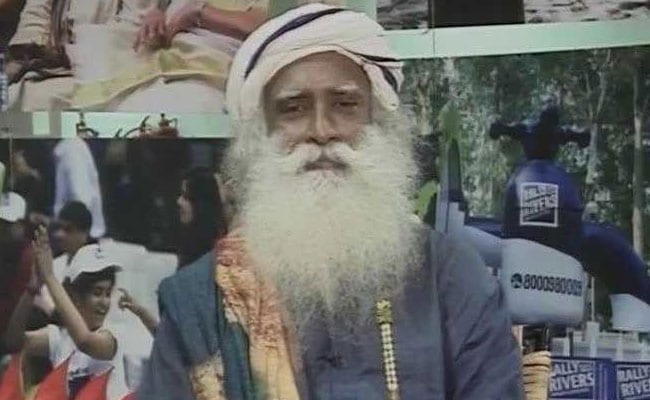
Sadhguru Jaggi Vasudev of Isha Foundation joins the Banega Swachh India cleanathon panel. Sadhguru Vasudev says that India's rivers are forest fed as substantial vegetation and bio-activity a must. Unless there are forests, redeeming India's rivers are not possible and the cycle of drought are caused due to lack of vegetation in river banks. The Rally for Rivers Campaign aims to improve the status of rivers and thereby improve the income of farmers by six to eight times within six to seven years.
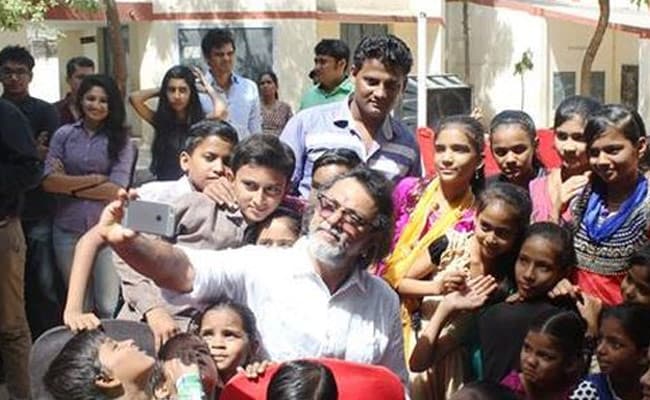
Rakeysh Omprakash Mehra says that when he visited Sabarmati, he thought of Gandhi and how Gandhi was the architect of freedom in India. But apart from that, Gandhi was also highly interested in sanitation and the work he did on toilets was incredible. Along with the NGO Yuva, which has 1,50,000 volunteers, Mr Mehra has adopted 601 schools and slums with nearly 10,000 toilets built in total and maintenance infrastructure for two years. In the sites Mr Mehra's NGO has worked, there has been an 86 per cent rise in girls coming back to schools where toilets have been installed.
Also Read: Rang De Basanti Director Rakeysh Omprakash Mehra Builds 800 Toilets Across India
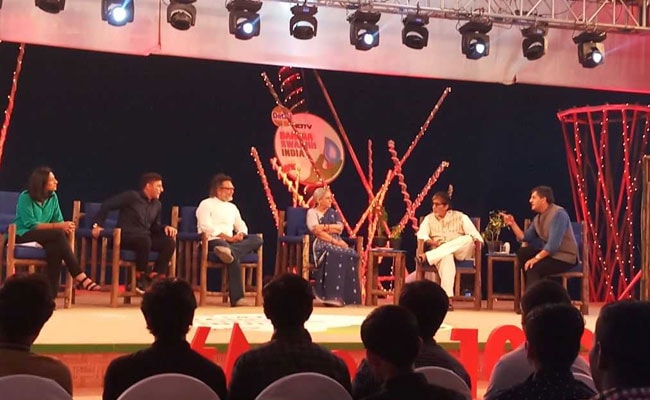
Filmmaker Rakeysh Omprakash Mehra and Afroz Shah, the architect behind the Versova beach cleanup join the Banega Swachh India cleanathon panel. Mr Mehra says that he has already built 601 toilets. Afroz Shah says that criticisms should be directed at self. Amitabh Bachchan, says how Afroz Shah requested for an excavator from him and was presented with an excavatator, a tractor and a trailor to aid him in his garbage collection process.
Also Read: 100 Weeks Of Versova Beach Cleanup, Afroz Shah And Team Gear Up To Mark The Landmark Of World's Biggest And Longest Beach Cleanup

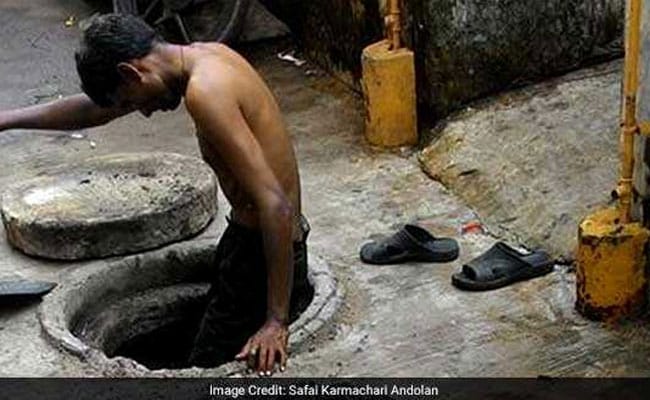
Magsaysay Award winner and founder of Safai Karmachari Andolan Bezwada Wilson, says that the government policy is the reason behind the deaths of manual scavengers. 1,470 deaths happened in India since the Supreme Court judgment on manual scavenging. He says that police stations, court and political will have repeatedly not shown any interest in eradicating manual scavenging.
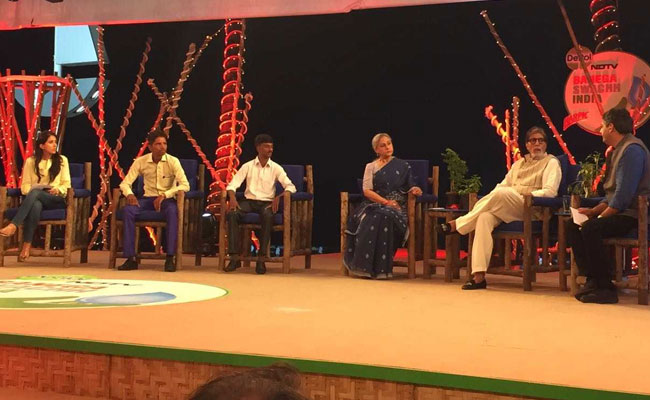
Naresh and Rakesh, manual scavengers talk about the discrimination and pressure they face due to their profession. Rakesh says that on August 6, three of his relatives went into sewers filled toxic gas and died. He talks about the harassment he faced after the incident and because of speaking up, has not been given work for the past two months.
Also Read: Delhi Records 7 Deaths In Past One Month Due To Sewer Cleaning Activity, Is Manual Scavenging Privately Thriving In India?
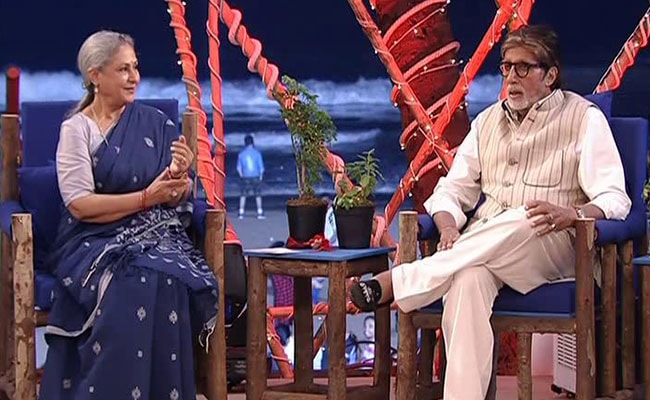
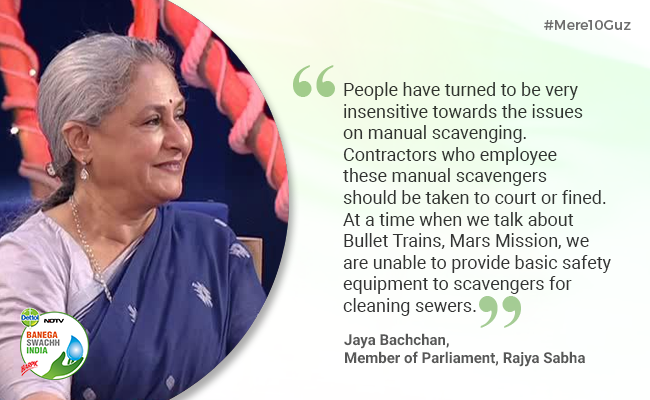
Jaya Bachchan talks about the issue of manual scavenging and says that despite raising the question on manual scavenging on several high platforms, no significant progress could be achieved. Sensitive and conscious people have raised the question on manual scavenging. Talking about contractors who employ manual scavengers, Mrs Bachchan says that justice must be swift and fast in courts.
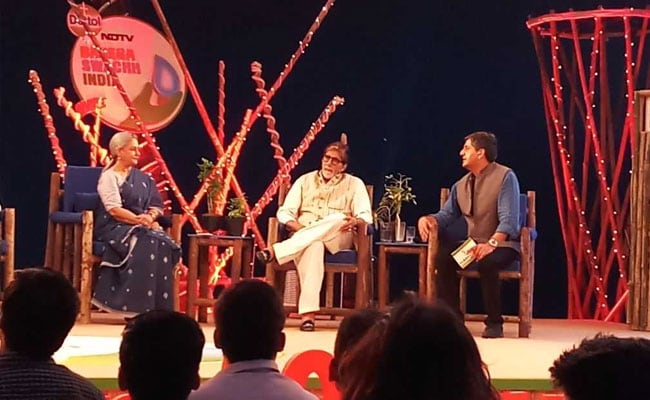
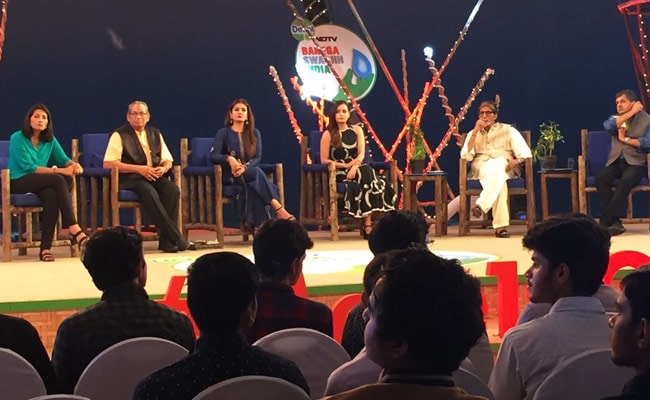

Raveena Tandon says that somewhere we have to make people realise that there are alternatives available which should be used. She also urged people to opt for eco-friendly festivals to make festivals more enjoyable without harming the environment. Awareness among people of utmost importance as only that can translate to action, says the actress.

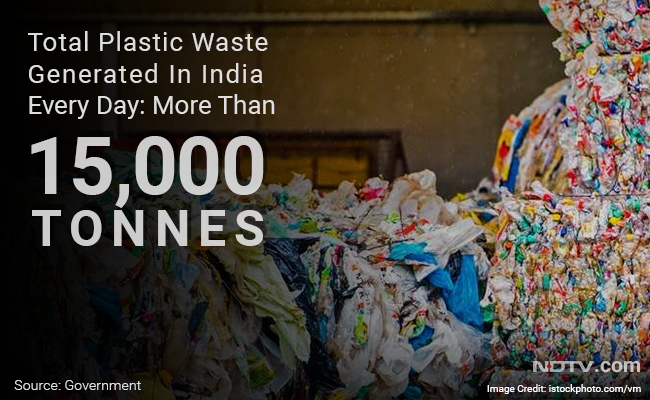
Actress Dia Mirza talks about her initiative to make Linking Road plastic free. Along with several volunteers, the actress has been instrumental in collecting plastic garbage. She also said that to achieve the idea of Swachh Bharat, a comprehensive waste management model is needed where usage of plastic is discouraged, or can be used for initiatives like building roads.
Also Read: Dia Mirza Sets An Example As A Swachh Ambassador, Makes Her Society Zero Waste
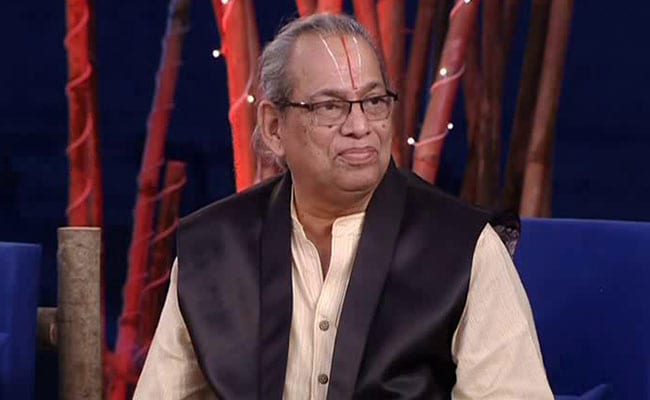
India's plastic man Professor Rajagopalan Vasudevan joins the cleanathon. Prof. Vasudevan firmly believes that one person's waste is another person's treasure. The Madurai resident has built roads using plastics instead of dumping them into garbage. His technology has been used across 15 districts all over India.
Also Read: 'One Man's Trash Is Another Man's Treasure': Meet India's 'Plastic Man'
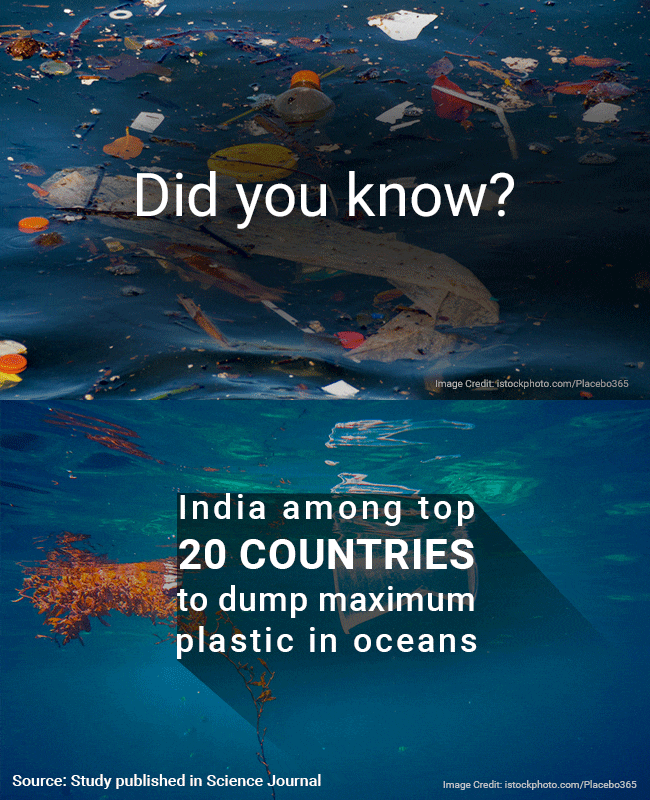
Tony Ribbink, CEO and Founding Trustee of Sustainable Seas Trust joins the cleanathon to talk about pollution in the oceans. 3 tonnes of fish are caught in the sea every day and continuing plastic pollution could result in more plastic in oceans than fish by 2050. Mr Ribbink says that the most obvious solution is to stop the plastic from entering the sea. Governments, municipalities and schools have a huge role to play to ensure that plastic does not go into the river. Plastics from ships must also be stopped from entering the oceans.
Also Read: A Reminder That Oceans Need Our Attention
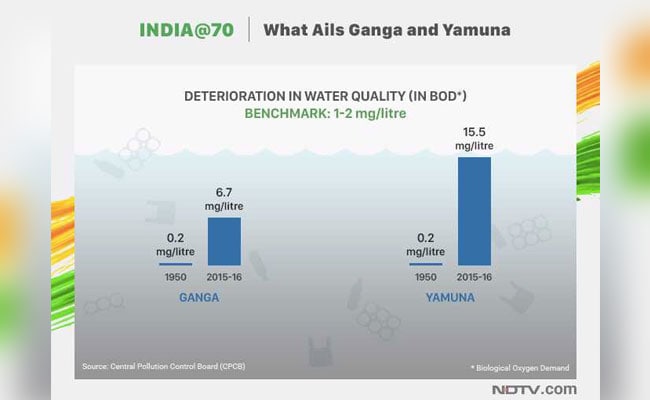
Over 20,000 crores has been spent on cleaning several of India's rivers but to no avail. 7,000 million litres of untreated sewage every day is disposed in the Ganga. The pathetic state of all of India's rivers is a cause of concern as almost all of India's major rivers. The Ganga and Yamuna remain two of the world's dirtiest rivers and despite several conservation efforts, the status of these two rivers has kept deteriorating.
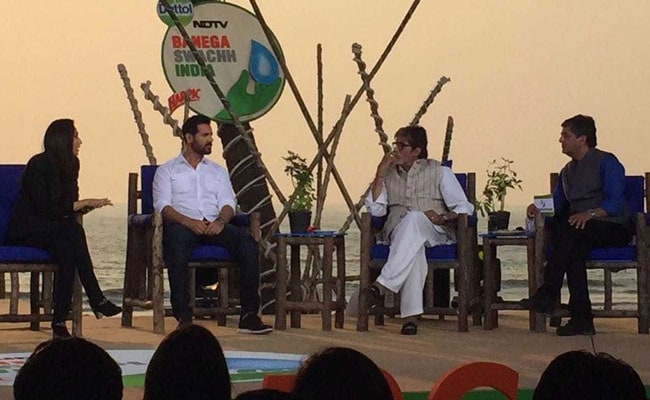

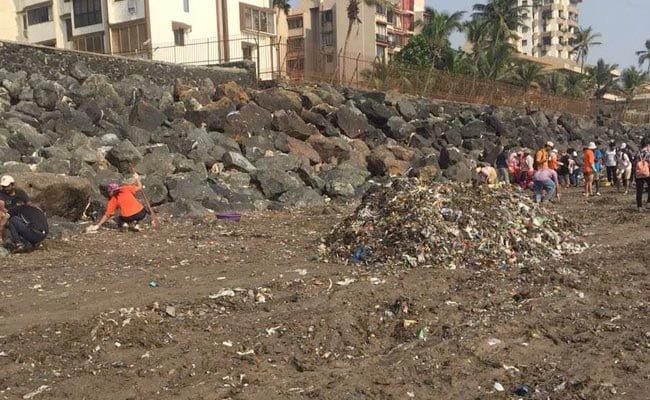
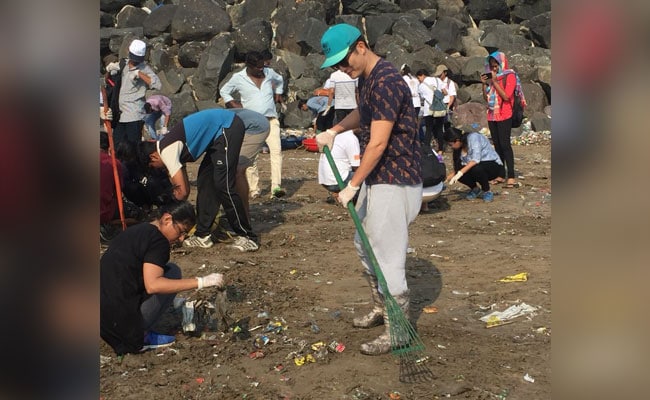
Afroz Shah, one of the architects of Versova beach cleanup, says that his complaint on Versova was to himself and he had taken it upon himself to clean the beach. In the last two years, Mr Shah and his team of volunteers have managed to pluck out 7,800 tonnes of garbage from the beach premises. The United Nations has termed Mr Shah's initiative as the biggest beach cleanup in history, says Mr Shah.
Also Read: 100 Weeks Of Versova Beach Cleanup, Afroz Shah And Team Gear Up To Mark The Landmark Of World's Biggest And Longest Beach Cleanup
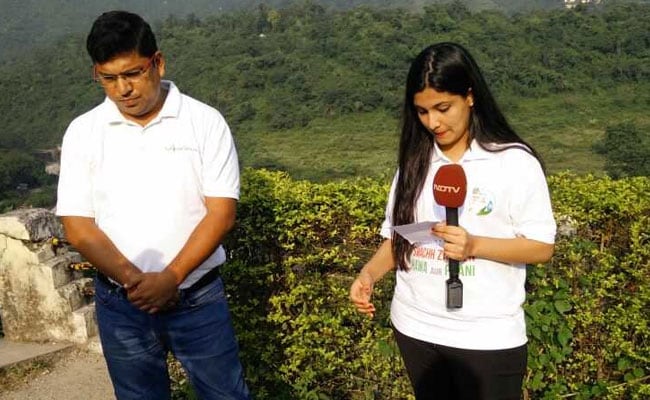
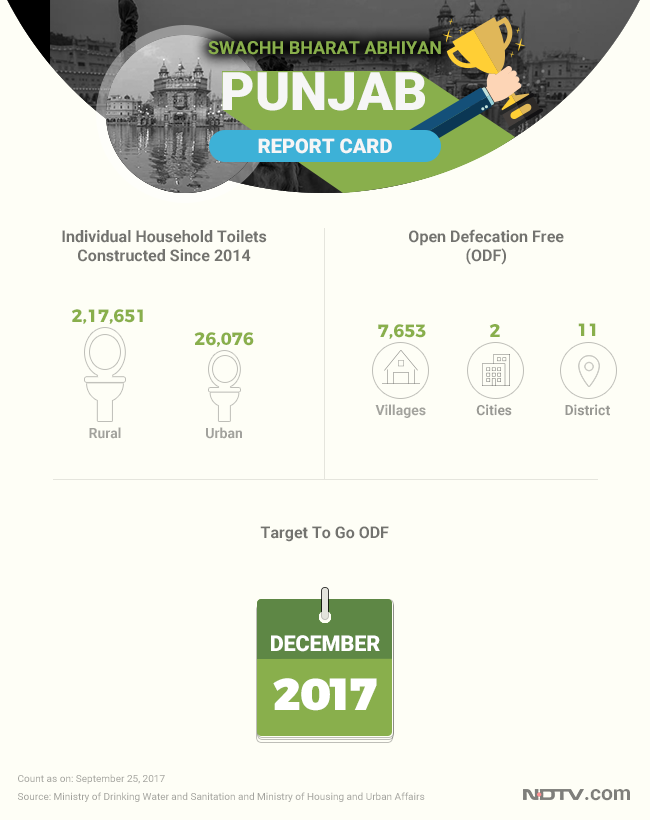
Punjab aims to go open defecation free by the end of December 2017 and already 12 districts of the state's 22 districts have been declared open defecation free.
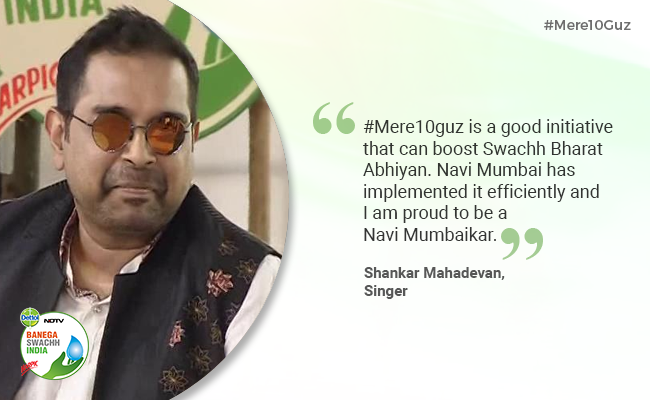
#Mere10Guz | @singer_shaan's special message for #SwachhIndia #Cleanathon. More updates on @ndtv and https://t.co/JZ1GtyEUhr pic.twitter.com/95xHMEIlJF
- Banega Swachh India (@swachhindia) October 2, 2017
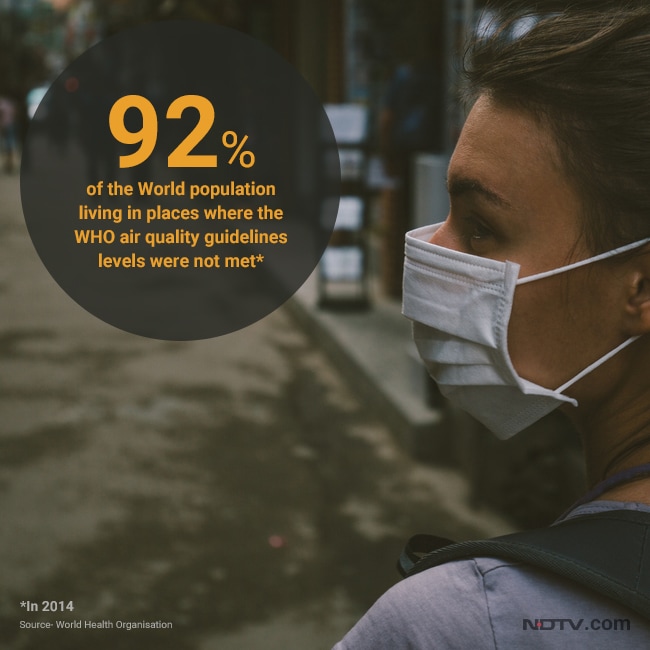
Meeting air quality guidelines is highly important, but severe air pollution, both indoors and outdoors have resulted in severe crisis, and even death in several cases.
#Mere10Guz | Sherwood student's poem on #SwachhIndia that left @SrBachchan impressed. Visit https://t.co/JZ1GtyEUhr for more on #Cleanathon. pic.twitter.com/yhP8sUYYmI
- Banega Swachh India (@swachhindia) October 2, 2017
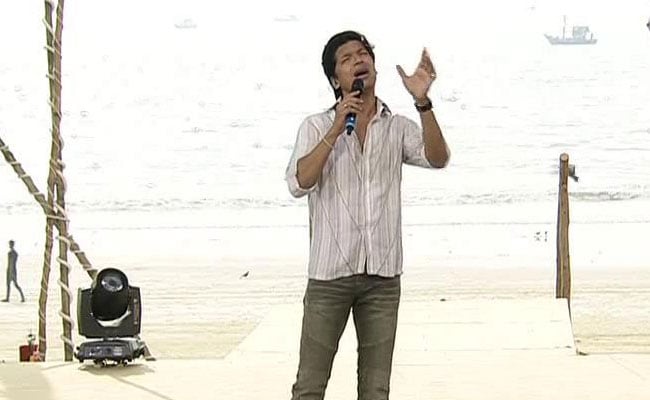

Globally, the numbers for air pollution are even more dangerous. 6.5 million annual deaths are estimated to be caused by air pollution.
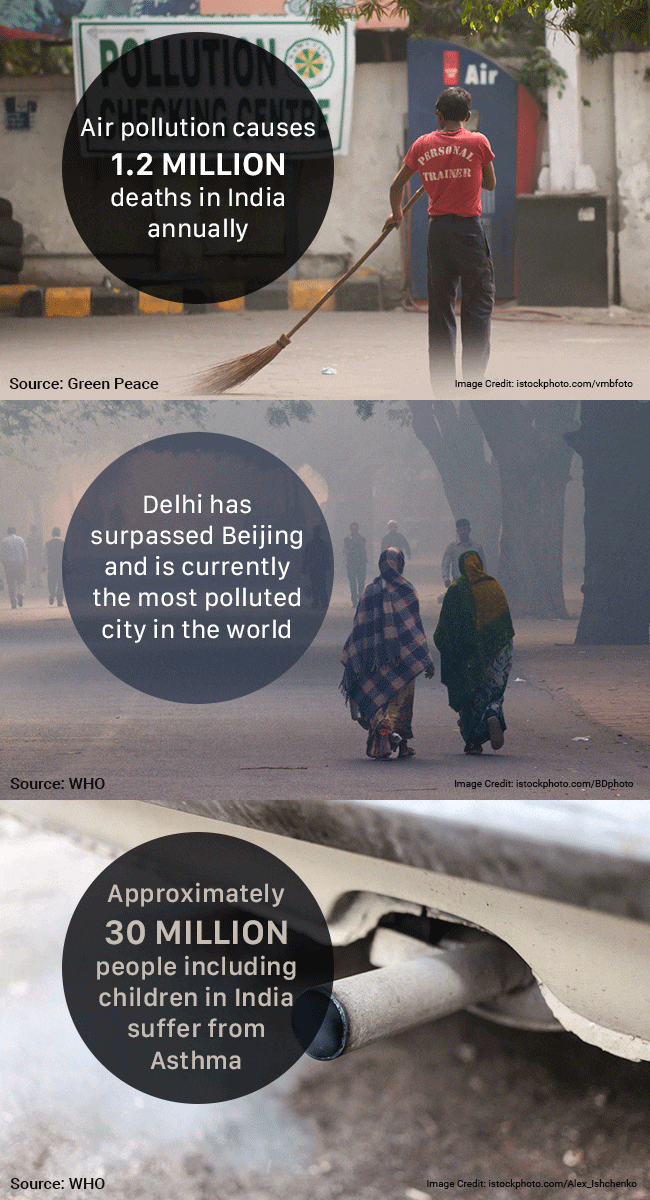
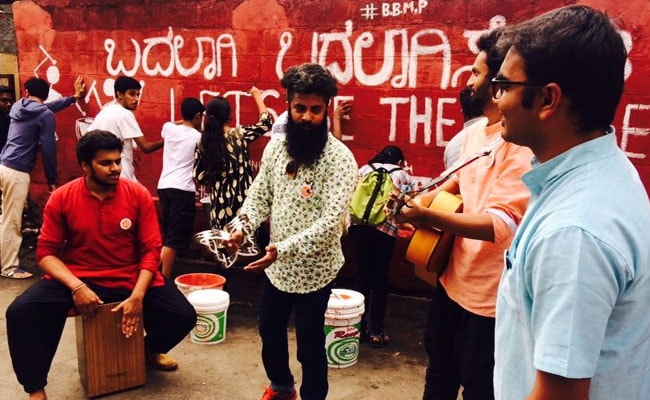
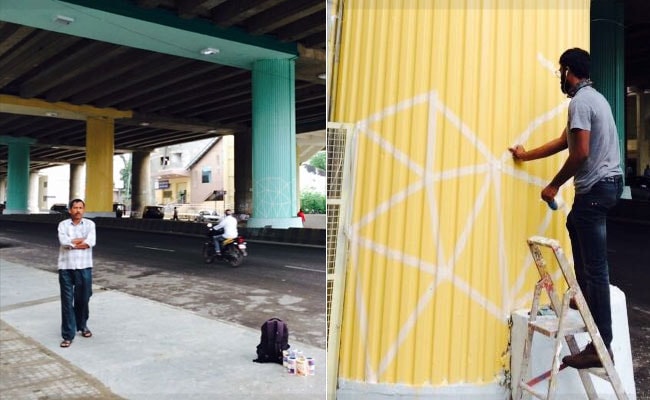
The Bengaluru based folk/fusion band Swarathma are making their presence felt at the Banega Swachh India cleanathon. Performing in Uthrali, the band is accompanied by a group of volunteers engaged in wall painting which spells out the message of being the change.
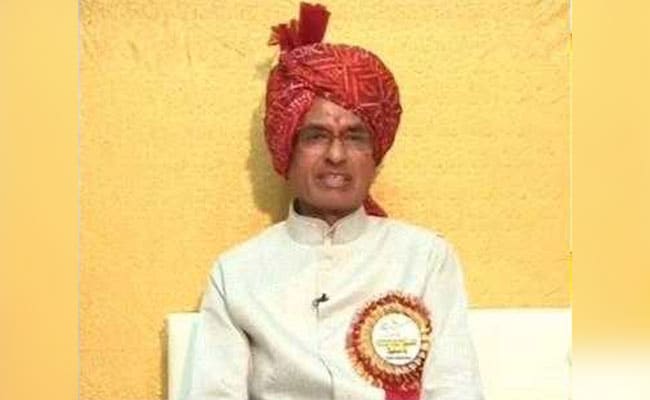
Madhya Pradesh Chief Minister Shivraj Singh Chouhan joins the Banega Swachh India cleanathon, hailing Madhya Pradesh's performance for achieving considerable success in the #Swachhta movement. The state has a better rural sanitation coverage than the national average and 378 urban local bodies have become open defecation free. The CM says that the state aims to go completely open defecation free by the end of 2018.
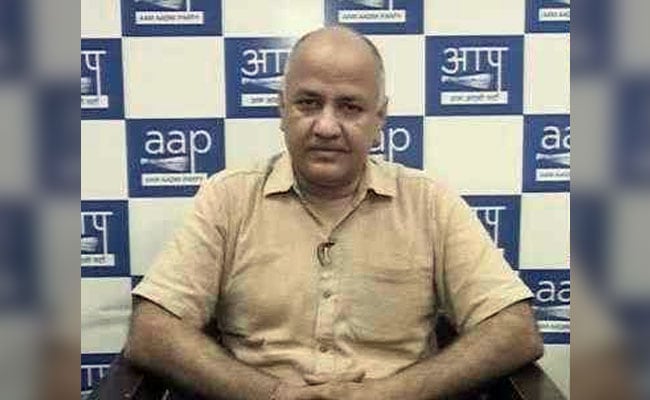
Manish Sisodia, Deputy Chief Minister of Delhi talks about air pollution at the cleanathon, saying that he is hoping that crop burning in Haryana and Punjab will not be an issue this year, as Delhi's air had suffered badly last year because of crop burning. The Deputy CM also said the much talked about odd-even scheme may be brought back to control air pollution caused by emissions from vehicles.
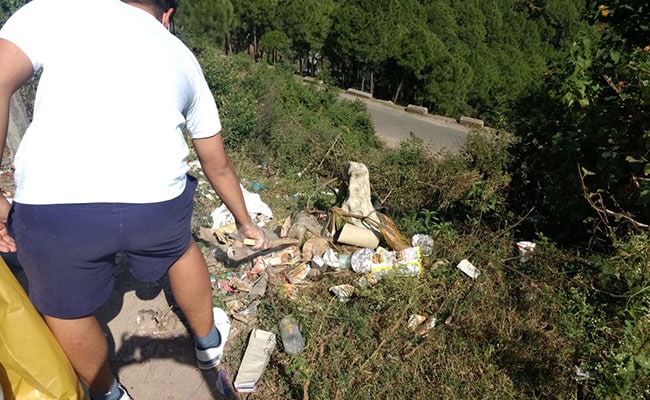
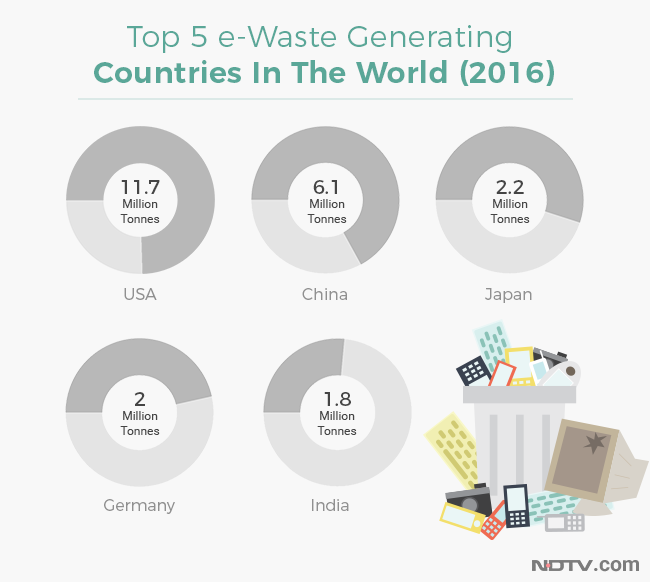
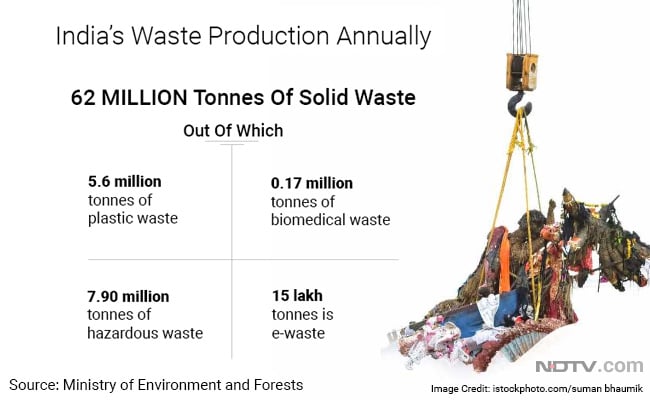
E-Waste, or electronics waste is another major environmental hazard for India, which is the world's fifth largest e-waste producer. India produces a massive 1.8 million tonnes of e-waste annually.
Also Read: E-Waste Generation May Increase By 1800 Per Cent, Says ASSOCHAM-KPMG Report
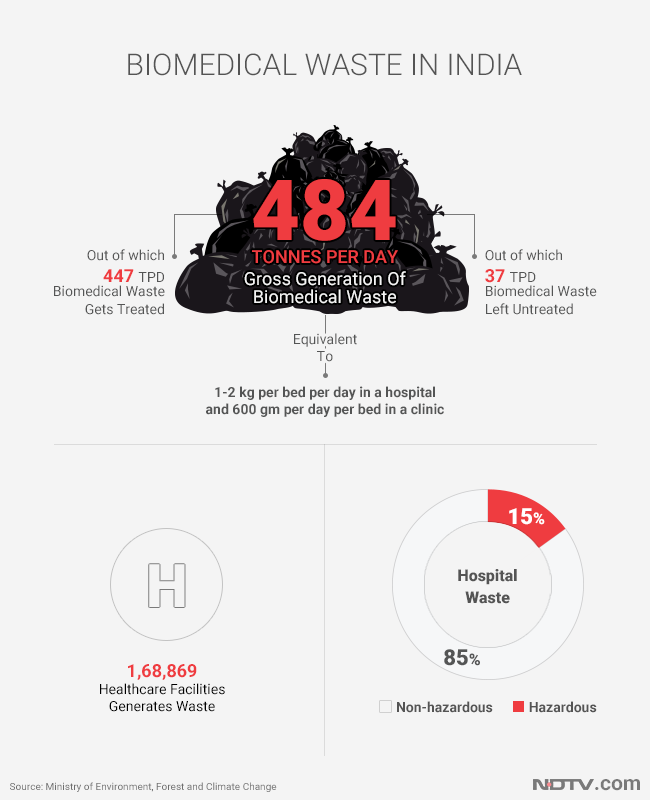
484 tonnes of biomedical waste is generated in India daily, of which 15 per cent remains untreated.
Also Read: Biomedical Waste Management Gone Wrong: The Shocking State Of Darbhanga Medical College Hospital In Bihar
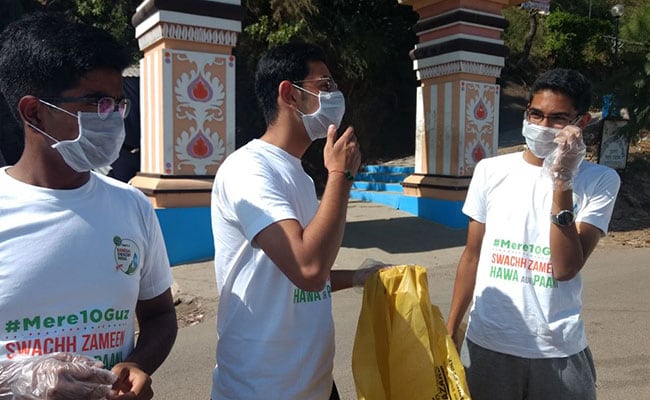
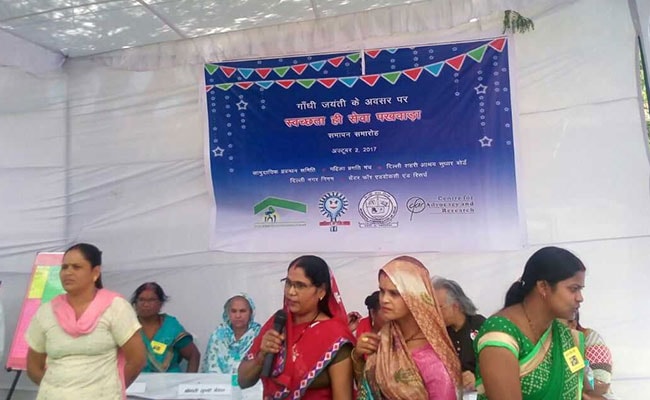
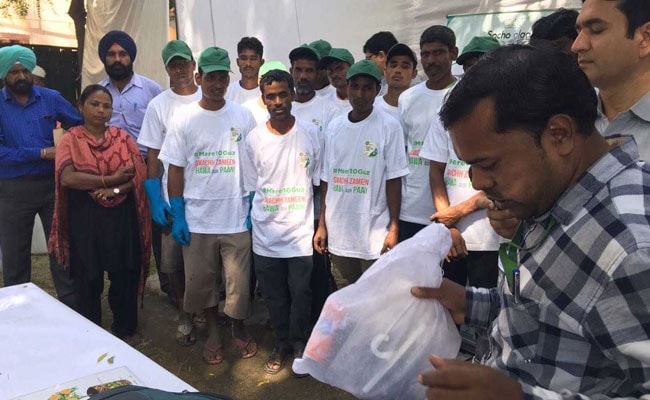
In Delhi's Sadiq Nagar, waste collectors are being trained on waste segregation under the Socho Alag campaign, as a part of the Banega Swachh India cleanathon.
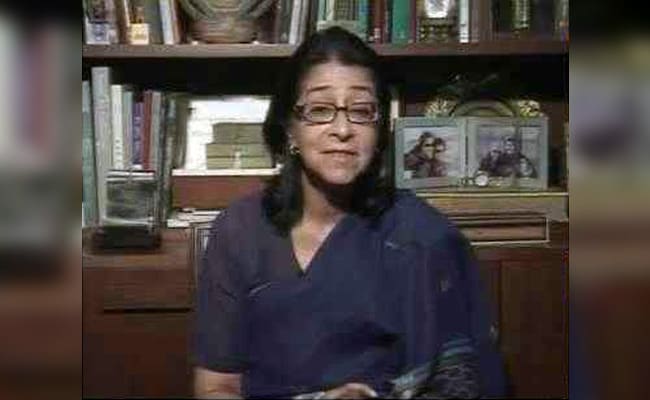
Naina Lal Kidwai, Chair, India Sanitation Coalition, praises districts with District Collectors who are strong and motivating in nature, and collectors in charge of such districts have ensured that their districts have done well in making them open defecation free. People must understand why using toilets is important. Health benefits of using toilets, especially diarrhoea killing children, should be recognised. 85 to 90 per cent usage of toilets is happening in rural areas, which is a good sign.
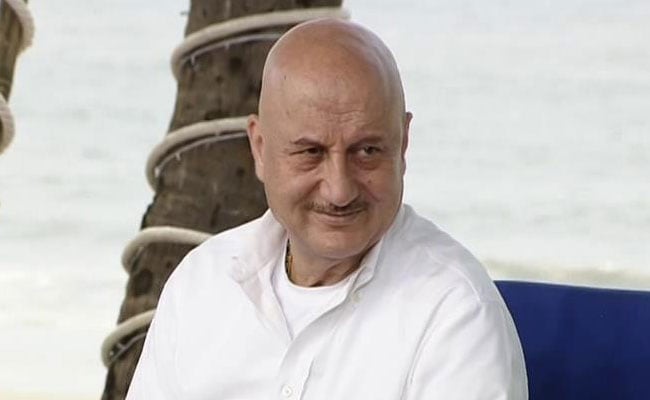
Actor Anupam Kher joins the Banega Swachh India cleanathon and says that ever since the launch of the Swachh Bharat Abhiyan, the changing awareness among people is visible. Littering on the streets is met with questions and not ignorance. People should be made aware of the ill effects of open defecation and that awareness must come at individual levels.
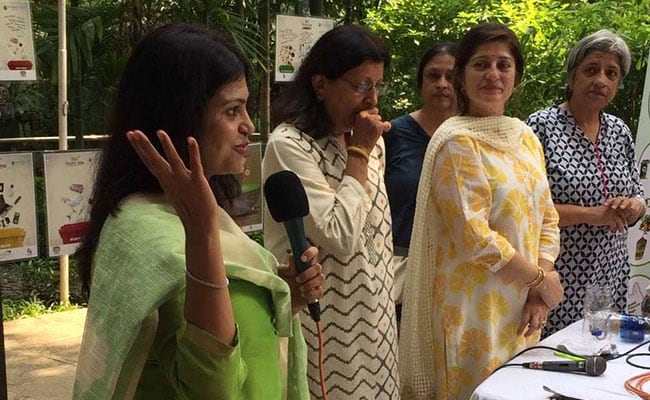
Harshita Narvekar, local Municipal Corporator at Cuff Parade, backs citizen initiatives like waste segregation and upcycling at the Banega Swachh India cleanathon in Mumbai.
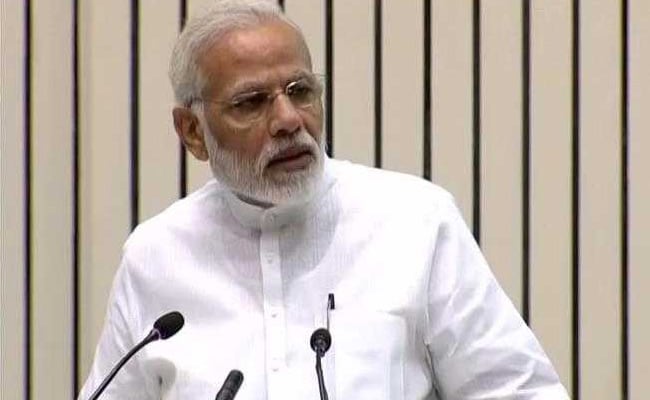
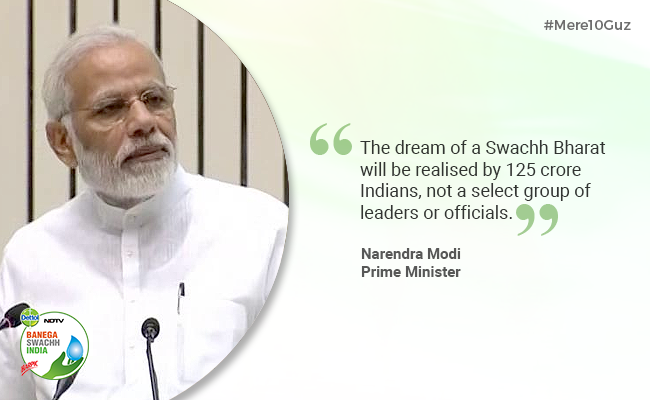
Addressing the nation on the occasion of Rashtriya Swachhta Diwas, Prime Minister Narendra Modi says that everyone likes cleanliness, but the problem in our country is the lack of willingness to do it ourselves. Even a 1,000 Mahatma Gandhis, a 1,00,000 Narendra Modis and several Chief Ministers cannot make the dream of a Swachh Bharat True. But it over 120 crore Indians come together, India will definitely become cleaner.
Each one of us can contribute towards making India both Swachh and Swasth. Let's start today on the occasion of #GandhiJayanti! pic.twitter.com/QMtQO7YcMc
- sachin tendulkar (@sachin_rt) October 2, 2017
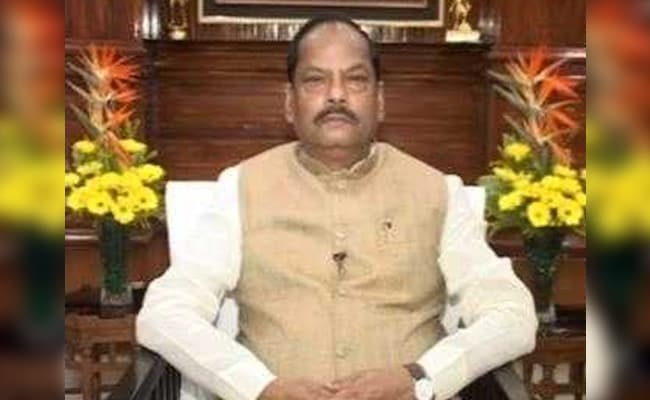
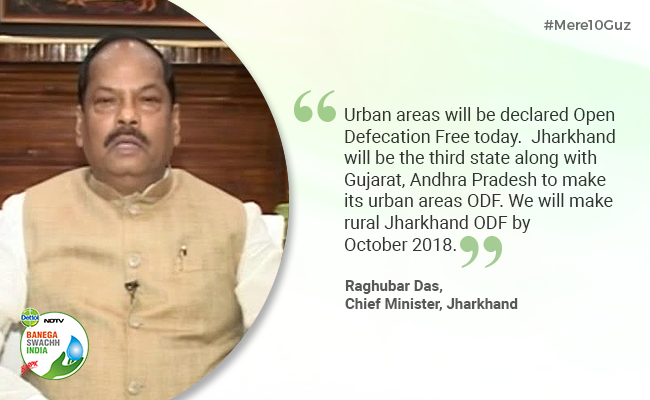
Joining the Banega Swachh India cleanathon, Raghubar Das, Jharkhand Chief Minister, says that the reason why Jharkhand has done well in the Swachh Bharat Abhiyan is because of how conscious people have become towards sanitation. The #SwachhataHiSeva campaign has played a big role in ensuring that people adopt safe sanitation. 9 cities have featured in the top 150 clean cities under the Swachh Bharat rankings. The Chief Minister also says that plastic has been totally banned in Jharkhand and people have instead started using cloth as an alternative. Urban areas of Jharkhand will be declared open defecation free today, the Chief Minister announced.
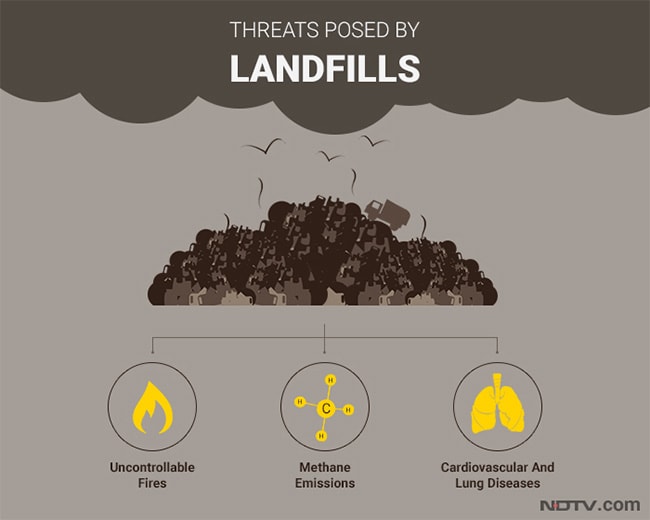
Landfills, India's most commonly used method to dispose solid waste are staring at crisis as a majority of them have exhausted their capacities to take in more waste.
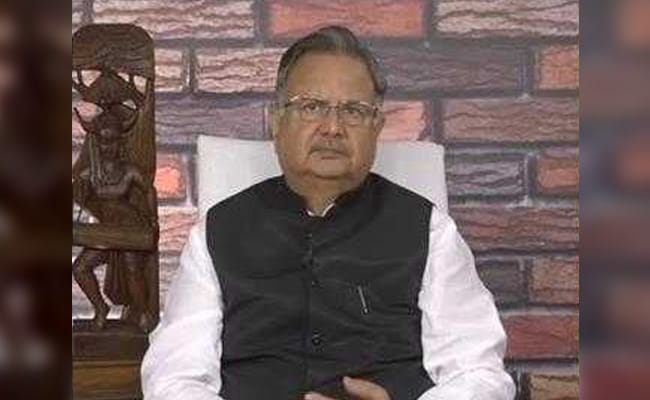
Chhattisgarh Chief Minister Raman Singh says that his government has prioritised behavioural change in sanitation, resulting in 8,000 panchayats in the state become open defecation free, as well as the state's urban areas already attaining the ODF certificate. To ensure people used the toilets they built, the government paid three months after the construction of a toilet was completed.
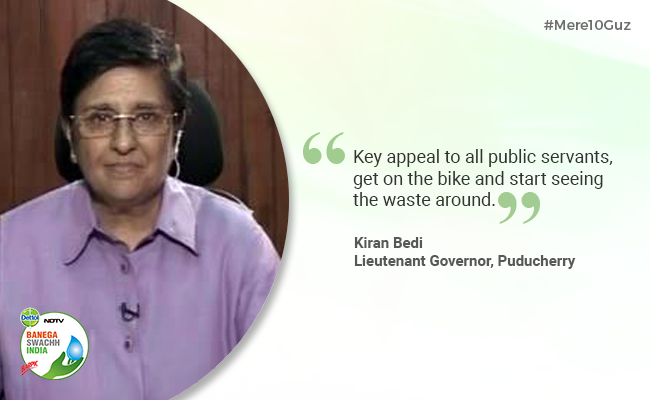
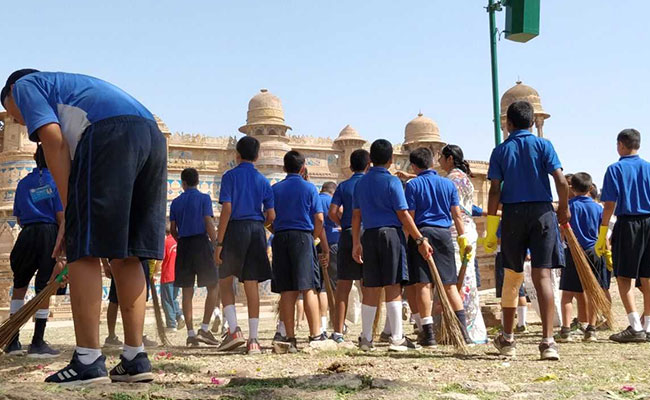
Joining the Banega Swachh India cleanathon, Kiran Bedi, Lieutenant Governor of Puducherry urges public servants, especially municipal commissioners to drive bikes and walk the dirty streets so that change comes gradually and India becomes cleaner by next year.
Also Read: Lack Of Toilets, Failure To Encourage Community Toilets A Threat To Children's Health: Puducherry Lieutenant Governor Kiran Bedi
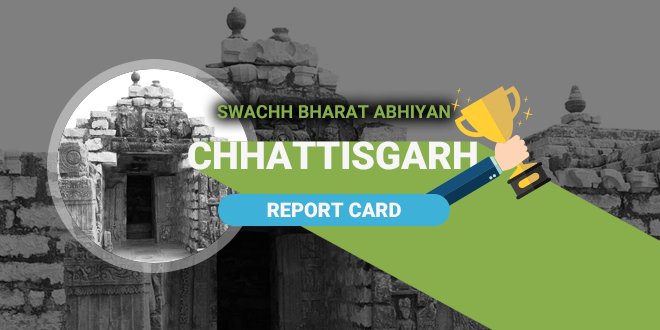
#Mere10Guz Cleanathon | Delhi hopes to go #OpenDefecationFree by March 2018 #SwachhIndia Report Card: https://t.co/Oynim7taEt pic.twitter.com/jXK3BHXakC
- Banega Swachh India (@swachhindia) October 2, 2017
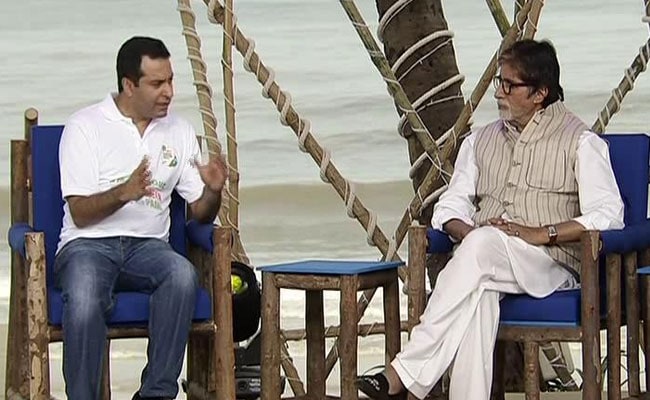
Speaking about the Banega Swachh India campaign, Nitish Kapoor, SVP Regional Director, South Asia at Reckitt Benckiser expresses his happiness on the campaign's success. 4 districts in Maharashtra have become open defecation free with Reckitt Benckiser's toilet building initiatives, which has built nearly 45,000 toilets till now. RB has also been instrumental in setting up a World Toilet College which has trained 5,000 women masons to construct toilets in villages.
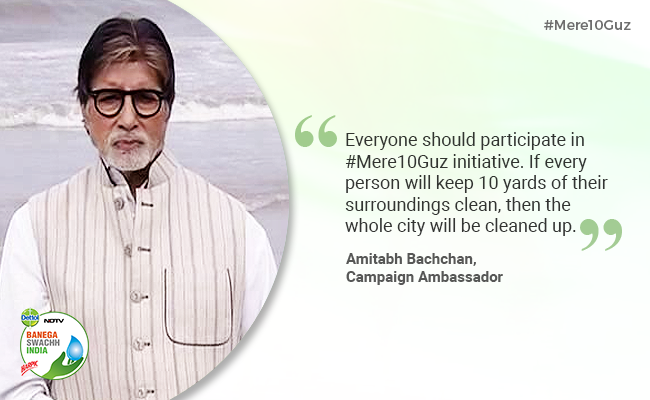
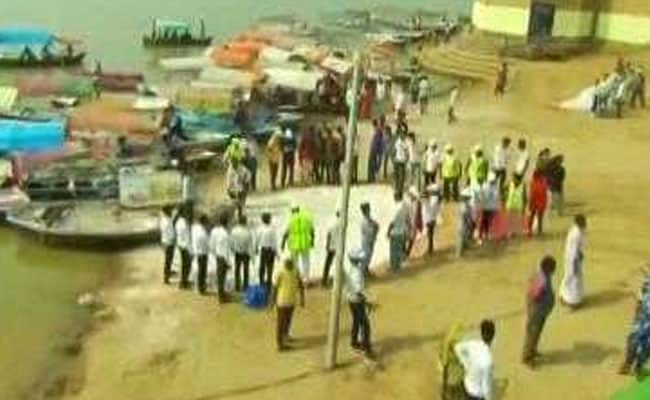
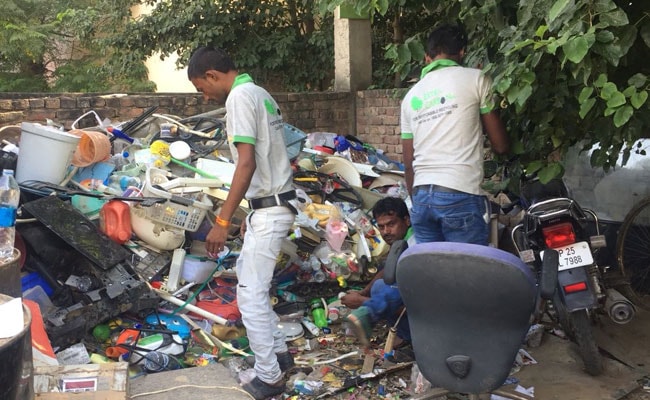
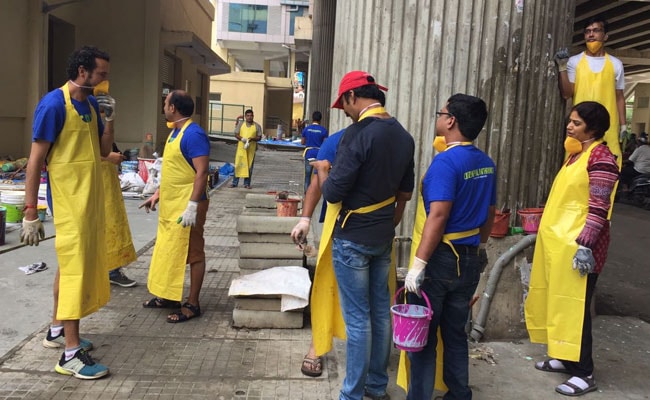
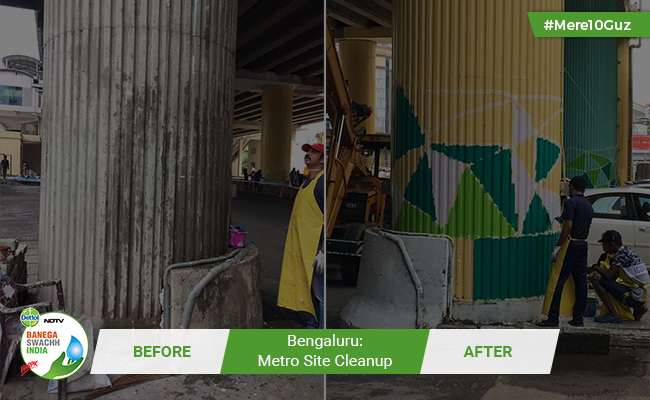
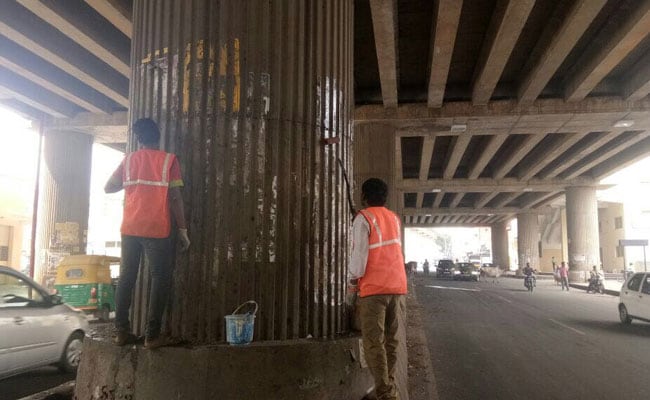
Bangaloreans have come out in big numbers to clean up their metro stations! A daily commute option, the JP Nagar Metro Station is being cleaned up by the Ugly Indian, a waste cleanup initiative. In the last 2 years, 200 metro pillars and 600 other pillars have been painted by the group.
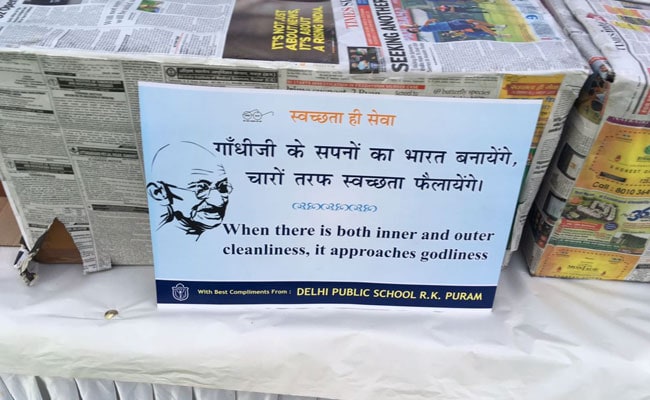
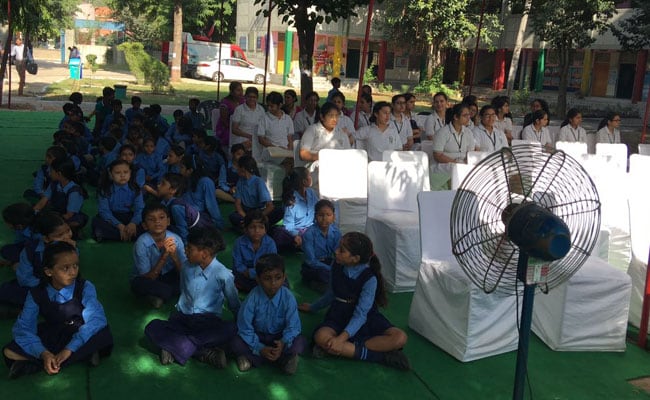
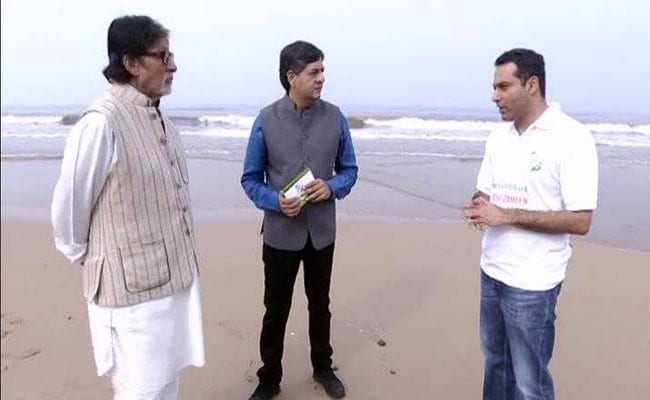
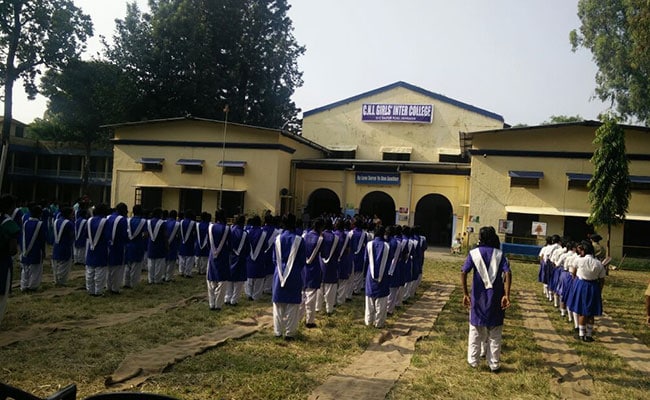
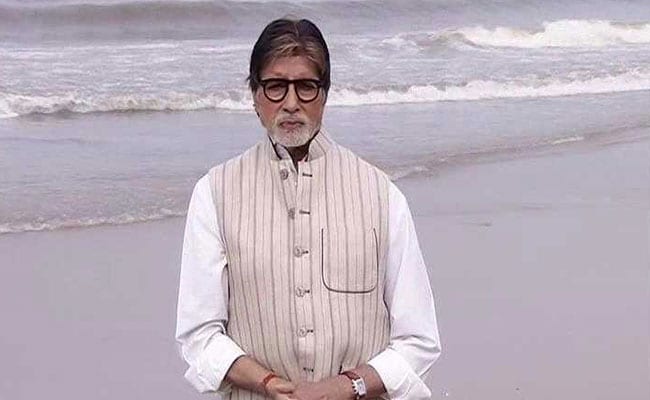

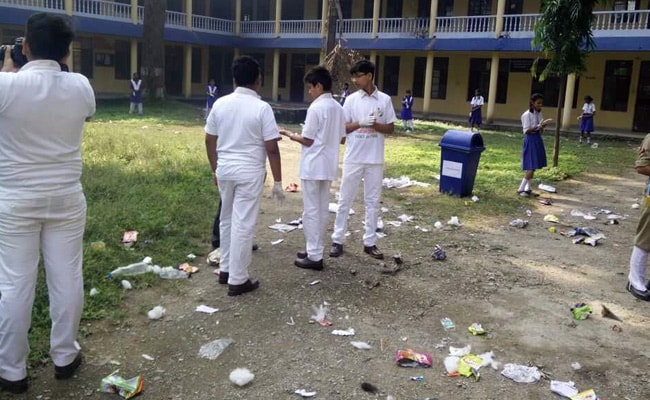
Also Read: President Ram Nath Kovind Hails Amitabh Bachchan For His Role Towards Making India Open Defecation Free#Mere10Guz Cleanathon | @SrBachchan highlights how schools can contribute to a #SwachhIndia. Full coverage on https://t.co/39IxZtWoag pic.twitter.com/r8Ayb2lYd9
- Banega Swachh India (@swachhindia) October 2, 2017
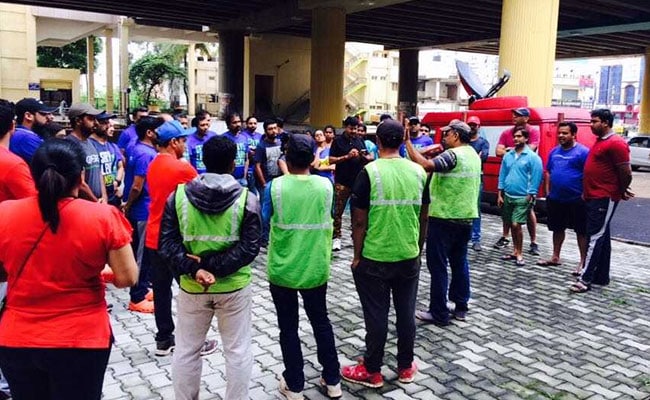
#Mere10Guz Cleanathon | @SrBachchan highlights how individuals can contribute to a #SwachhIndia. Full coverage on https://t.co/JZ1GtynjpT pic.twitter.com/x7lnHa1IuV
- Banega Swachh India (@swachhindia) October 2, 2017
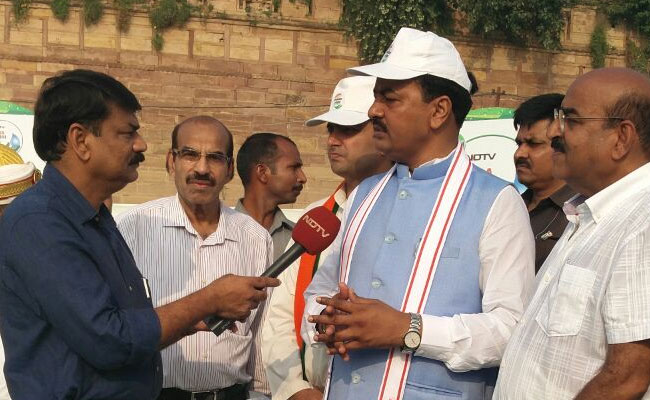
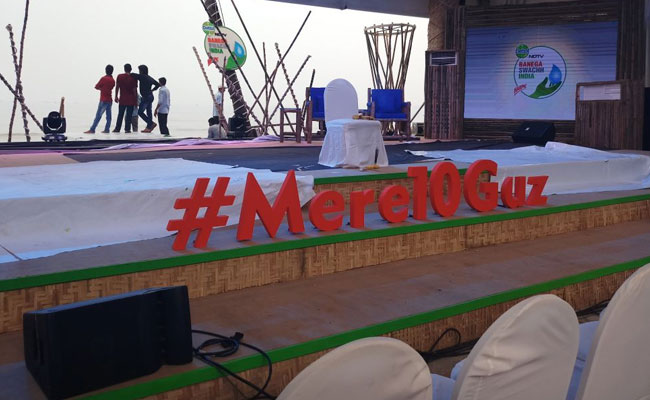

#Mere10Guz | This Oct 2, watch the 12hr LIVE Cleanathon with @SrBachchan and @vikramchandra on @ndtv, 9 AM onward. https://t.co/JZ1GtyEUhr. pic.twitter.com/TgqcJT6J5Z
- Banega Swachh India (@swachhindia) September 28, 2017
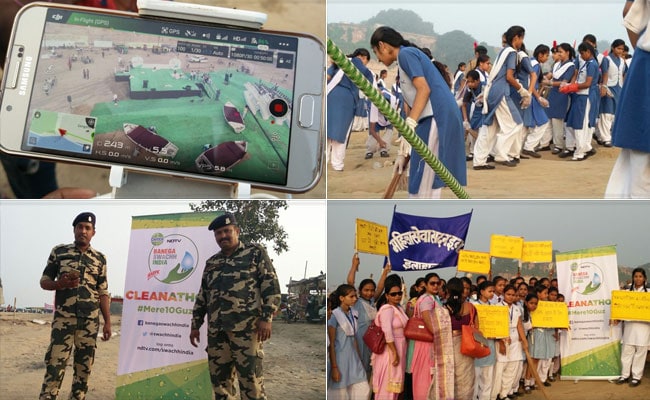
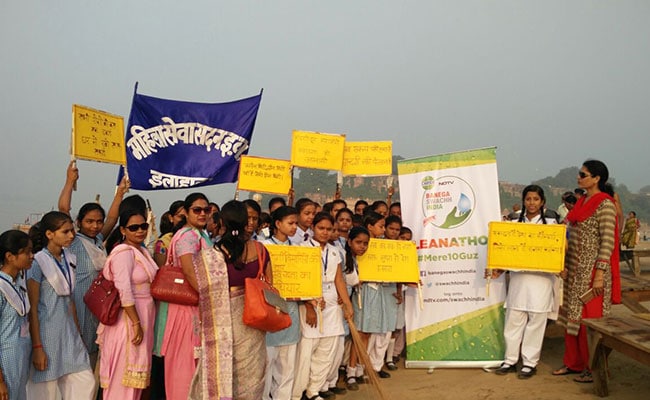
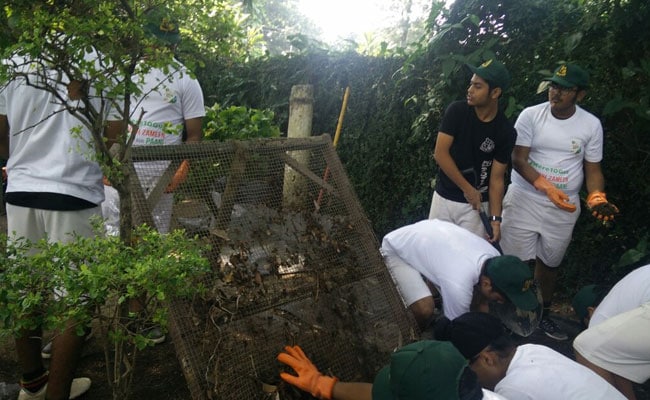
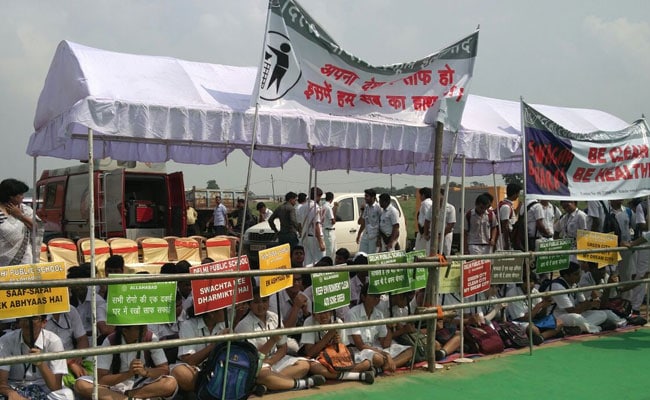
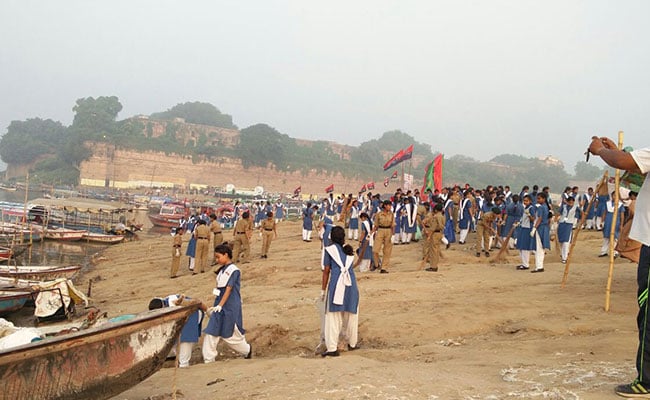
Several NGOs and student volunteers from St Anthony Convent School, Allahabad, came together to participate in the cleanathon and engaged in activities of cleanliness during the activity.
Also Read: A Toilet In Every Home, Gujarat Fulfills Its Dream, Will Be The Next State To Achieve Open Defecation Free Crown
Reckitt’s Commitment To A Better Future


Health Se Upaar Kuch Nahi: Campaign Ambassador Ayushmann Khurrana’s Call for a Swasth Bharat at Season 12 Finale


From Campaign Ambassador Ayushmann Khurrana to ASHA Workers, People Who Celebrated Banega Swasth India Season 12


Dettol Banega Swasth India Season 12 Finale: Azaadi Ka Matlab, Swasth Bharat | An Independence Day Special


The Champions Of The ISC-FICCI Sanitation Awards 2025


From Waste To WASH: Looking Back At The Champions Of The ISC-FICCI Sanitation Awards 2024
Latest News


Celebrating The Champions: A Look Back At The ISC-FICCI Sanitation Awards 2023 Winners
From sanitation and menstrual hygiene to waste management, skilling and women-led change, the 7th edition of the ISC-FICCI Sanitation Awards...


Reckitt, ASCI Launch SAFER Challenge To Develop Affordable Technology For Sanitation Worker Safety
National tech startup challenge invites innovators to build affordable gas-detection solutions; winners to receive grants of up to Rs 5...


Looking Back At The Champions Of The ISC-FICCI Sanitation Awards 2022
The awards recognised organisations and individuals for their work, new ideas and contributions to the sanitation sector
KK0
October 2, 2017 at 12:51 pm
There is a need to first clean their minds and souls respectively. To hell with this fake swachh Bharat mission. This mission ended before it started. I am not talking about other states but will only talk about UP and Gujarat. See the filth, garbage, open seepage. See the Ganga, the gau matas which are increasing the filth. All over the country the epidemic is on rise, people, especially kids are severely affected by dengue, malaria, and other types of diseases because of the filth all around.
It will be better if these khakhi chaddis first clean their minds, hearts and souls before taking up swatch bharat.
Harbinger Singh Gill
October 2, 2017 at 6:05 pm
Vow to keep our surroundings clean and litter free should be included in daily prayers that are conducted in educational, religious and other commercial institutions.
MK
October 2, 2017 at 7:19 pm
Hon. Prof Rajagopalan Vasudevan your invention of plastic on the road is fantastic. One question platic when heated especially polyethylene it its disintegrate and the compound I read it is concinogen.
Hope your method would not effect such catastroph. God Bless You !