


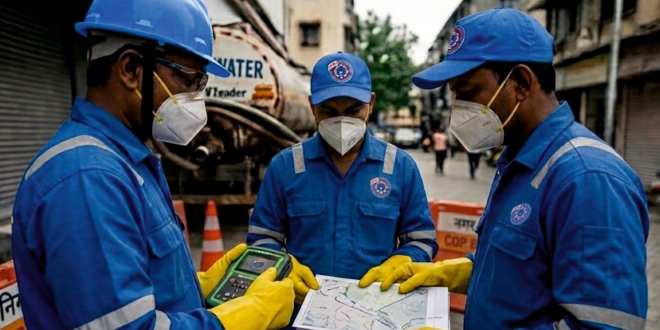
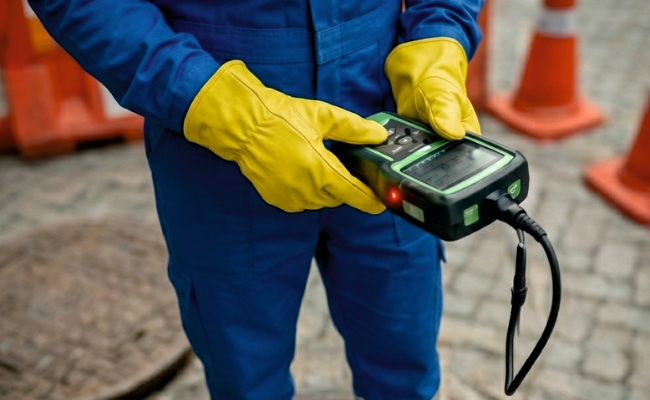
New Delhi: Dettol and Lysol maker Reckitt has partnered with the Administrative Staff College of India (ASCI) to launch SAFER (Sanitation Worker Assistance for Fatality Elimination & Risk Reduction). The national tech startup challenge is aimed at improving the safety of sanitation workers during sewer and septic tank cleaning. Launched under Reckitt’s Harpic World Toilet College initiative, the programme focusing on a bold vision: A Roadmap to 0 Sanitation Fatalities, making sanitation work safer, smarter, and dignified through training, safety gear, and empowerment of sanitation workers, alongside seeking affordable, wearable and real-time gas detection devices that can help prevent fatalities during the cleaning operations.
Home To Millions Of Sanitation Workers
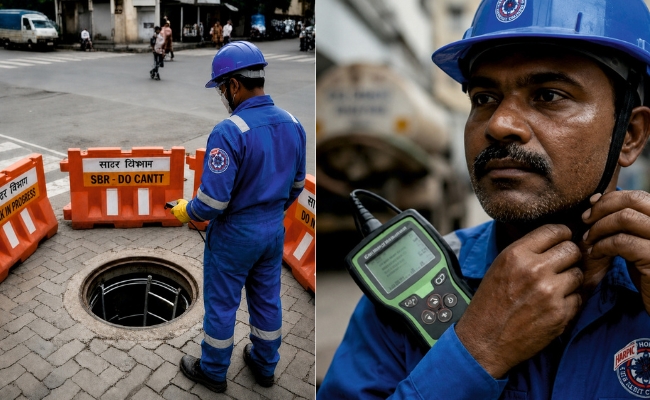
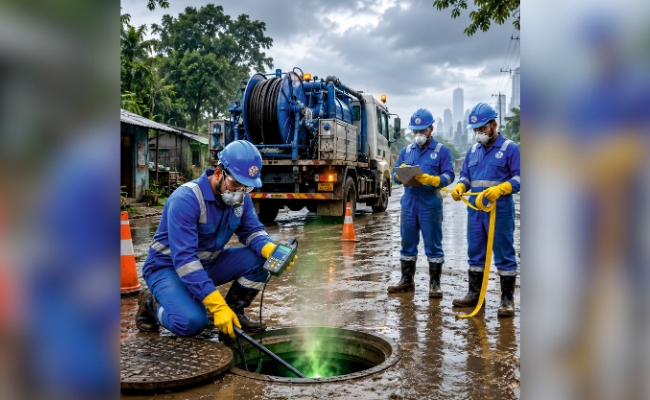
India has over five million sanitation workers, many of whom continue to work in hazardous conditions. According to Reckitt, exposure to toxic gases such as hydrogen sulphide (H₂S), methane (CH₄), carbon monoxide (CO) and ammonia (NH₃), along with oxygen deficiency, remains one of the leading causes of fatalities while cleaning sewers and septic tanks.
Around 90 per cent of documented deaths occur without the use of mechanised equipment or adequate safety gear, highlighting the need for accessible safety technology.
The initiative is aligned with the government’s Viksit Bharat 2047 vision and complements programmes such as Swachh Bharat Mission 2.0, NAMASTE, and the Safai Mitra Suraksha Challenge. Through SAFER, Reckitt and ASCI aim to build an innovation ecosystem that promotes scalable, user-friendly and sensor-enabled technologies capable of improving safety for sanitation workers.
Also Read: Periods With Dignity – A School Goes 100% Menstrual-Waste-Free
Focus On Safety And Innovation
Speaking at the launch, Ravi Bhatnagar, Communications and Corporate Affairs Director, South Asia, MENARP and Africa at Reckitt, said that the country has made considerable progress in improving access to toilets, but the next priority should be making sanitation work safer and more sustainable.
Through the Harpic World Toilet College, we have been strengthening the sanitation ecosystem by building skills and championing dignity and safety for sanitation workers. With SAFER, launched in partnership with ASCI, we are extending this commitment by enabling scalable innovations to address critical safety challenges. By bridging innovation with on-ground impact, we aim to deliver better health in more hands every day,” he said in a statement.
Meanwhile, Dr B. Janardhan Reddy, IAS (Retd.), Director, CEUG&ID, ASCI, said the challenge is about ensuring that no sanitation worker has to risk their life while keeping the cities clean. “Every statistic in our database represents a life lost that could have been saved,” he added.
How The Challenge Will Work?
The competition has been structured in three phases:
- Pitch: A nationwide call for entries, with proposals evaluated by academicians, government officials, sanitation experts and worker representatives.
- Pilot: Shortlisted innovations will be tested with sanitation workers and Urban Local Bodies (ULBs).
- Scale: Solutions will receive support from government and industry partners for wider adoption through programmes such as NAMASTE and the Safai Mitra Suraksha Challenge.
According to the launch timeline, applications open on August 1, final pitches will be submitted by September 1, the jury evaluation is scheduled for September 15, winners will be announced on October 2, and the pilot phase will begin on October 7.
Watch: India’s 200th Menstrual Waste Free Village
Who Can Apply And What Do Winners Get?
The challenge is open to startups, individual engineers and designers to develop deployable ideas that address sanitation worker safety hazards. Participants selected for the programme will receive mentorship support, opportunities for field trials, access to Urban Local Bodies, interactions with senior government officials and policy experts, national visibility and support for wider adoption of their innovations.
The challenge also offers cash grants, with the winner receiving Rs 5 lakh, the runner-up Rs 2 lakh, and the third-placed team Rs 1 lakh. In addition, participants will gain access to pilot deployment opportunities and national-level certification.
Applications for SAFER are now open at https://asci.org.in/safer.
Also Read: Period-Friendly Schools, Waste-Free Villages


