
New Delhi: Climate change is increasingly shaping the everyday lives of children. From extreme heat and water scarcity to flooding and poor sanitation, these challenges are affecting children’s health and hygiene, disrupting schooling and impacting their ability to learn and grow.
Globally, nearly 1 billion children face extremely high climate risk, and in India alone, an estimated 24 million children are impacted by climate-related emergencies every year. These challenges highlight an urgent need for solutions that protect both children’s health and their access to education. Recognising this, Reckitt, a world class health and hygiene company, through its flagship Dettol Banega Swasth India initiative, launched the Dettol Climate Resilient Schools (DCRS) programme in Uttarakhand in collaboration with the Government of Uttarakhand. The initiative underscores Reckitt’s commitment to driving positive health and environmental outcomes, in alignment with Government of India’s Mission LiFE (Lifestyle for the Environment).
Also Read: World Environment Day Special: Facing Heat, Finding Hope
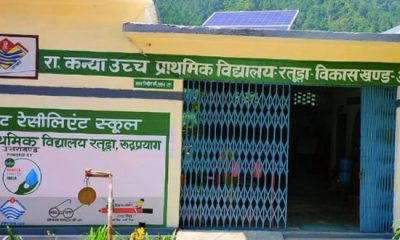
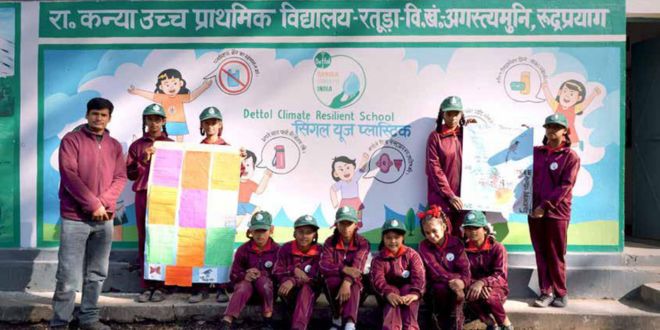
As part of the initiative, Reckitt has established climate-resilient schools across the Char Dham region, Gangotri and Yamunotri in Uttarkashi, Kedarnath in Rudraprayag, and Badrinath. Built on three key pillars – campus, collaboration and curriculum, the programme integrates climate resilience into school infrastructure, partnerships and educational content to help children adopt sustainable practices and build resilience to climate-related challenges.
To understand the impact of this initiative, an evaluation was conducted by AIIMS Rishikesh across the four climate-resilient schools and nine non-intervention schools in the region.
Key findings from the study reveal a strong and measurable impact including:
- Better hygiene practices: More students demonstrated improved hygiene behaviour, with stronger adherence to handwashing practices.
- High soap usage: 94.1% of students were observed washing hands with soap and water at school.
- Improved awareness: Students showed better understanding of correct handwashing steps and hygiene practices.
- Healthier lives: 14.3% of students reported above-average health-related quality of life.
- Consistent attendance: Attendance remained high in climate-resilient schools, ensuring continuity in learning.
- Zero infections reported: No bacterial or parasitic infections were detected among students in intervention schools.
The evaluation further noted that hygiene practices in intervention schools had evolved into self-driven habits among students. Children emerged as hygiene ambassadors within their households, encouraging family members to adopt healthier practices and reinforcing the role of schools as catalysts for community-wide behaviour change.
Ravi Bhatnagar, Communications and Corporate Affairs Director, South Asia, MENARP and Africa, Reckitt, said,
“At Reckitt, we believe healthier communities are built through everyday actions and behaviors. As environmental challenges increasingly impact health, access to water and the wellbeing of future generations, it is important to equip children with the knowledge and habits needed to navigate these realities. Through Dettol Banega Swasth India, our vision is to create lasting positive impact in communities, and the Dettol Climate Resilient Schools initiative is a strong example of this approach. The findings from AIIMS Rishikesh demonstrate how simple, consistent interventions can improve health outcomes while encouraging more responsible use of natural resources. This reflects our commitment to delivering Better Health in More Hands, Every Day.”
Prof. Vartika Saxena, Head of Department, Department of Community Medicine, All India Institute of Medical Sciences (AIIMS) Rishikesh, said,
“Our evaluation assessed 13 government schools in Uttarakhand, including four Dettol Climate Resilient intervention schools and nine control schools. The findings indicate that students in the intervention schools showed stronger hand hygiene practices, greater awareness of safe water and waterborne diseases, and benefited from improved access to clean water, sanitation facilities and other climate-resilient measures. We also observed positive health outcomes and improved overall wellbeing among students. The findings suggest that the interventions under the Dettol Climate Resilient Schools have helped create school environments that protect children’s health and enhance their opportunities to learn. We found that children were not only adopting these practices in schools but were also sharing them with their families and communities, suggesting that the impact extends beyond the classroom.”
Aligned with the objectives of Mission LiFE, the Dettol Climate Resilient Schools initiative demonstrates how health, hygiene and climate resilience can come together to create sustainable impact. The AIIMS Rishikesh findings reinforce the potential of climate-resilient schools as a scalable model for empowering the next generation to build healthier communities and a more resilient future.
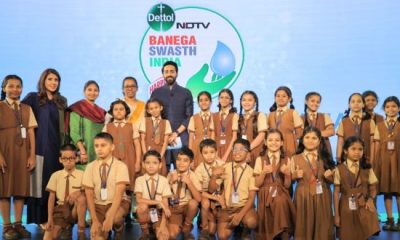
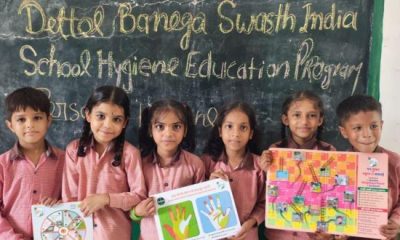
Reckitt’s commitment to creating healthier communities extends beyond its products and is reflected through purpose-led programmes such as Dettol Banega Swasth India. Through the campaign, Reckitt has reached more than 30 million children across approximately 900,000 schools in India and enabled over 43 billion handwashing occasions, helping drive lasting behaviour change at scale across diverse geographies, languages and communities.
Also Read: Period-Friendly Schools, Waste-Free Villages
Climate Resilient Schools In Uttarakhand by devyanisingh2709